


07/08/2026
Blog
22/05/2026
EPICURE Hackathon on Code Optimisation for Heterogeneous HPC Environments
By Alícia Oliveira (INESC TEC/Deucalion)
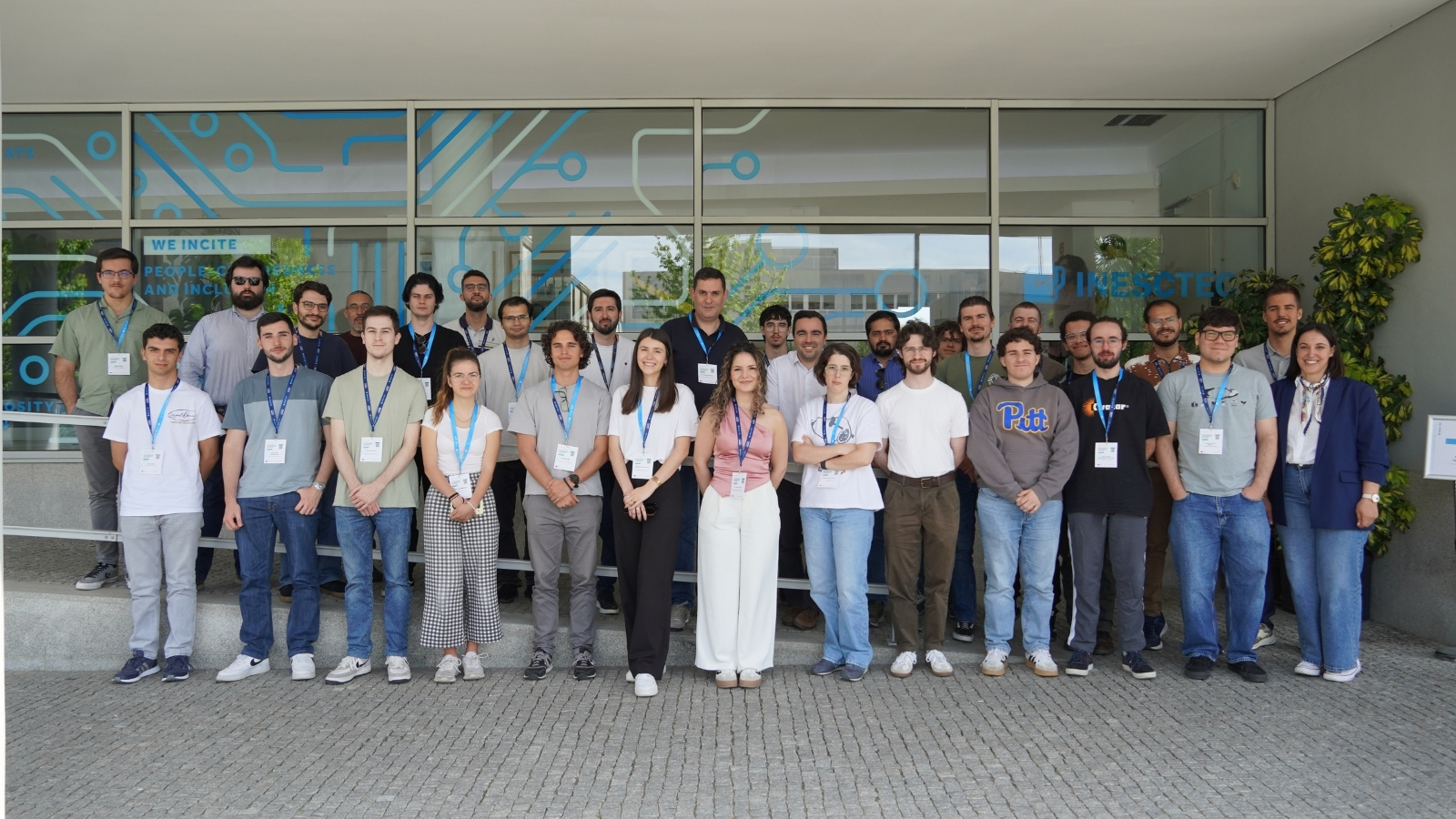
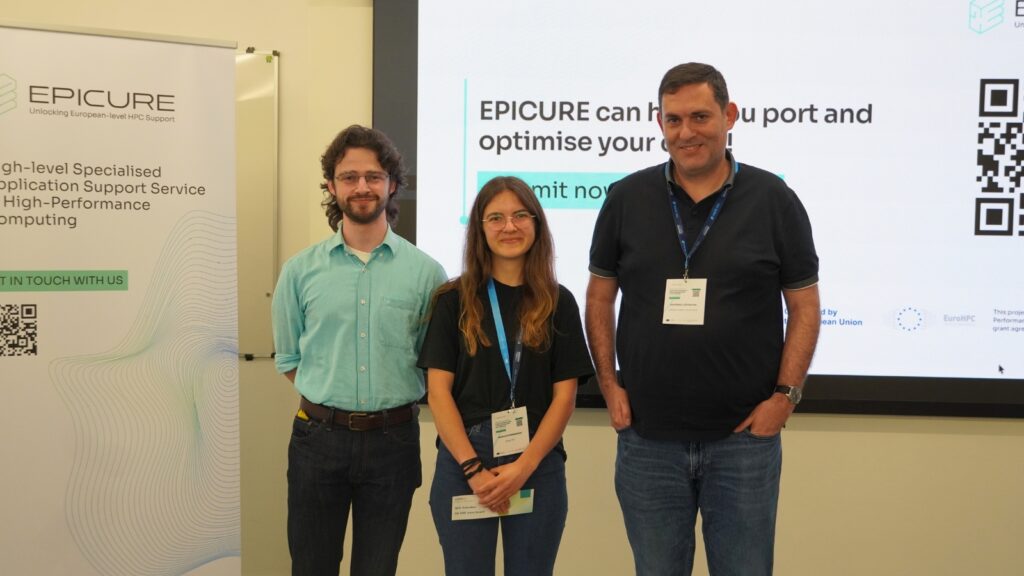
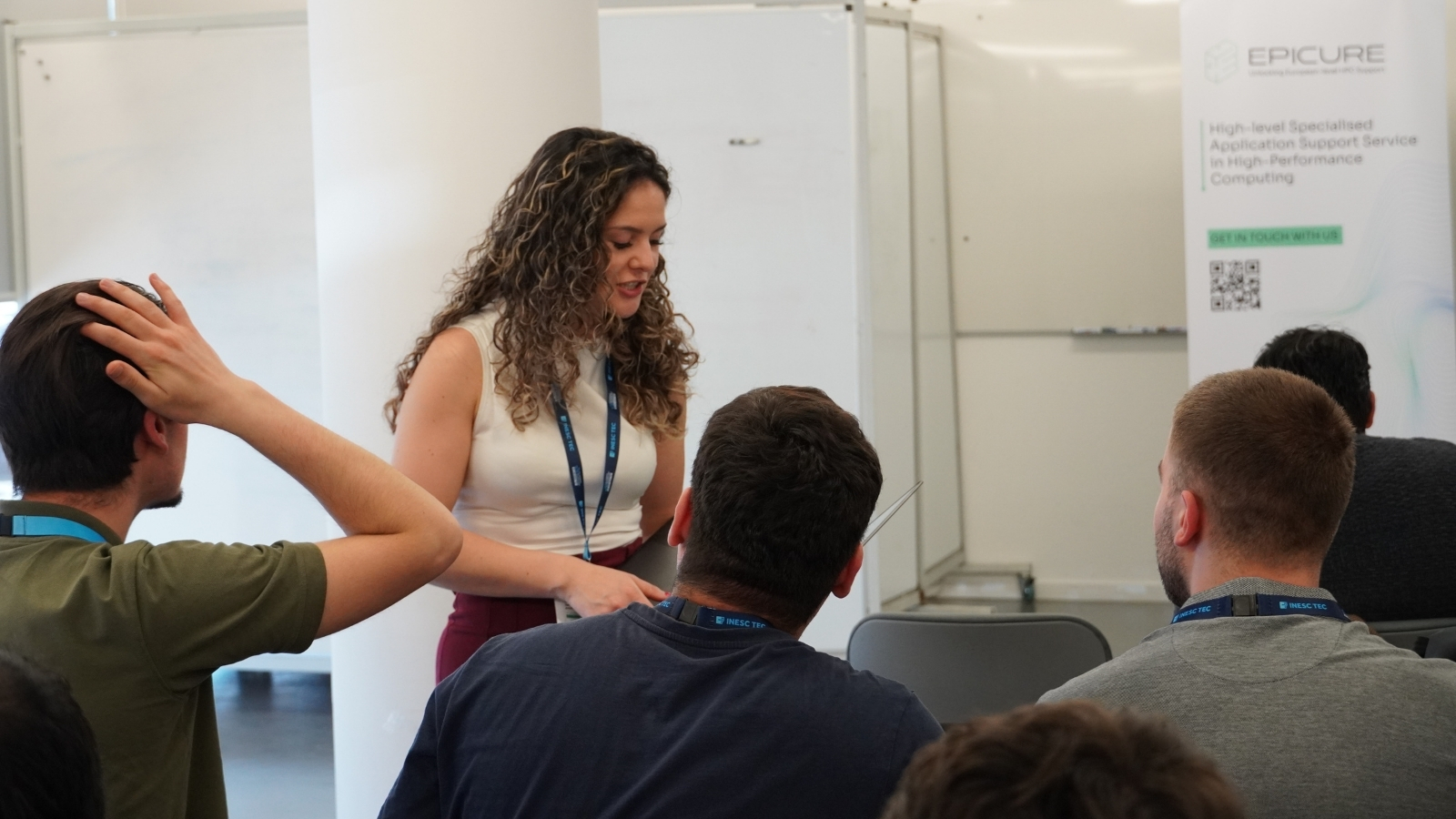
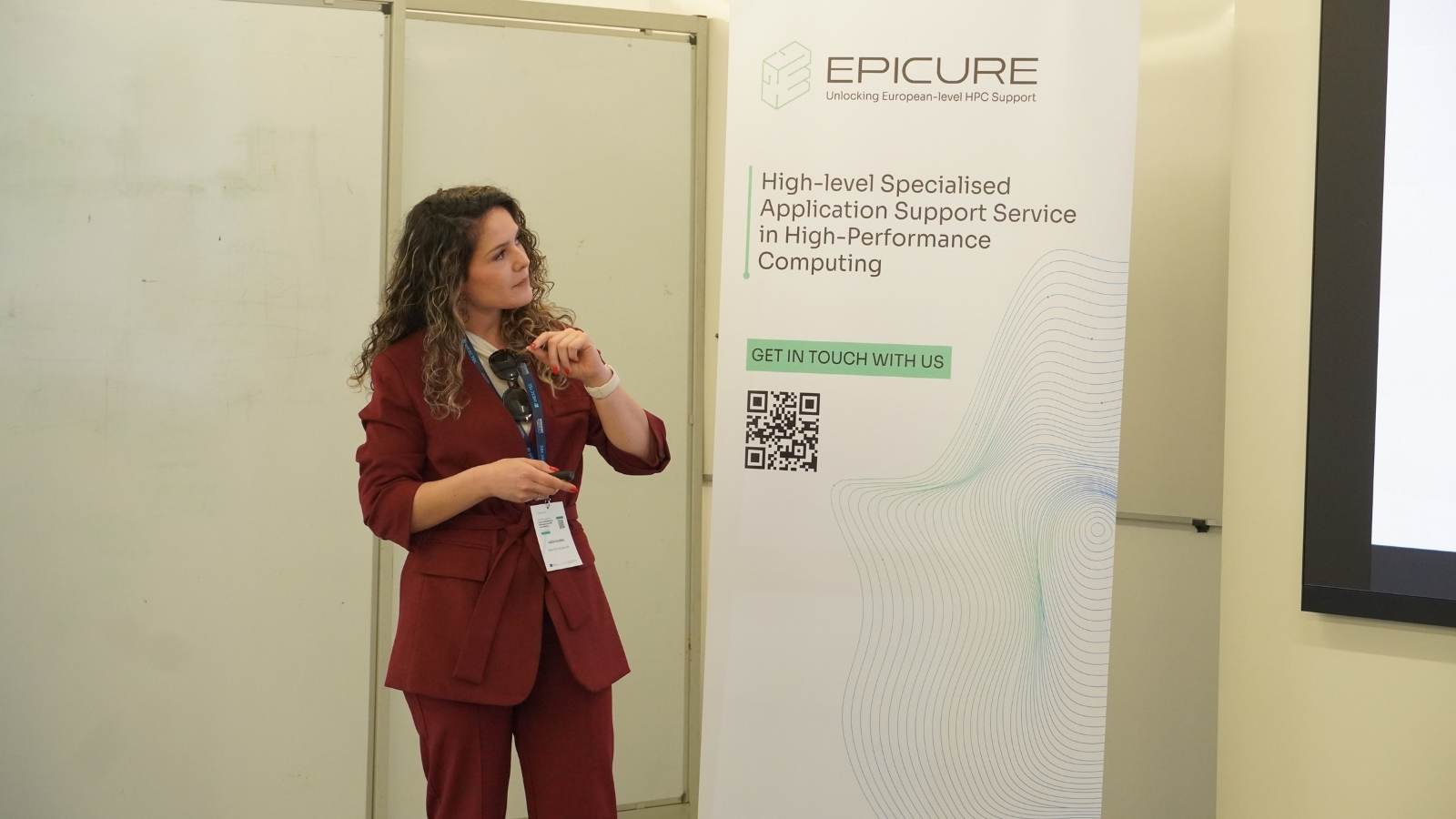
From 27 to 29 April 2026, INESC TEC in Porto hosted the EPICURE Hackathon on Code Optimisation for Heterogeneous HPC Environments. As a mentor, I had a front-row seat to three days of problem-solving and significant breakthroughs.
A distinguishing aspect of this event was its breadth. We had two tracks running in parallel: a Custom Track for teams bringing their own scientific applications, and a Guided Track for participants taking their first steps in HPC. This mix enabled the creation of an environment where curiosity and expertise intertwined.
Working with the Guided Track: First Steps That Actually Matter
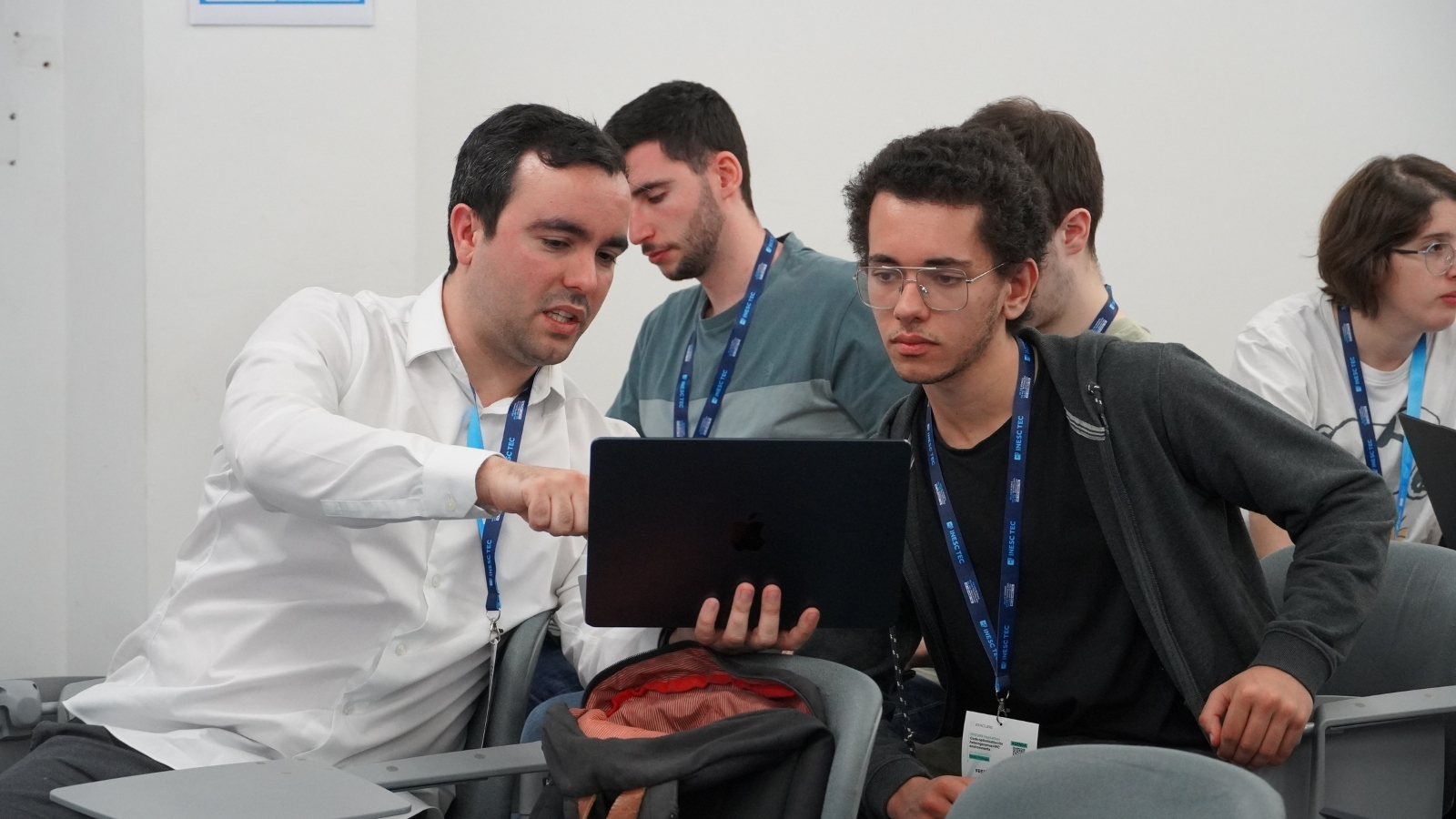
There is a common assumption in HPC that beginners need to spend months reading documentation before they can do anything meaningful. This hackathon is proof of the opposite. Participants in the Guided Track — many of whom had never submitted a job to a supercomputer — were able to use various frameworks, progressing from simpler to more complex tasks. This progression did not happen by chance; it required well-designed starter projects and mentors from diverse fields.
What struck me most was how quickly participants moved from “I don’t understand why this is slow” to “I think I know where the bottleneck is.” From a mentoring perspective, this shift in reasoning is more valuable than any specific optimisation they implemented. HPC needs more people who can think critically about performance, and events like this are among the most effective ways to develop that mindset and demystify the challenges of HPC.
The Custom Track: Where Real Research Meets Real Constraints
The Custom Track was a different kind of challenge. These teams arrived with applications they had been developing as part of their research, and the problems they brought were far more complex. We dealt with codes that scaled poorly, GPU kernels that were leaving half the hardware idle, underutilisation of available resources, and workflows where I/O was quietly dominating the runtime.
One thing I have come to realise is how much time teams waste simply because they have never had someone more experienced in the field look at their code. A mentor does not need to be an expert in every domain, and sometimes the most impactful intervention is simply asking, “Have you profiled this?” Several teams achieved significant speedups not through algorithmic breakthroughs but through straightforward changes: better data distribution, smarter use of shared memory, or simply compiling with the right flags. These are not extraordinary solutions, but they are significant because they accelerate research.
The Sessions: Grounding the Work in Context
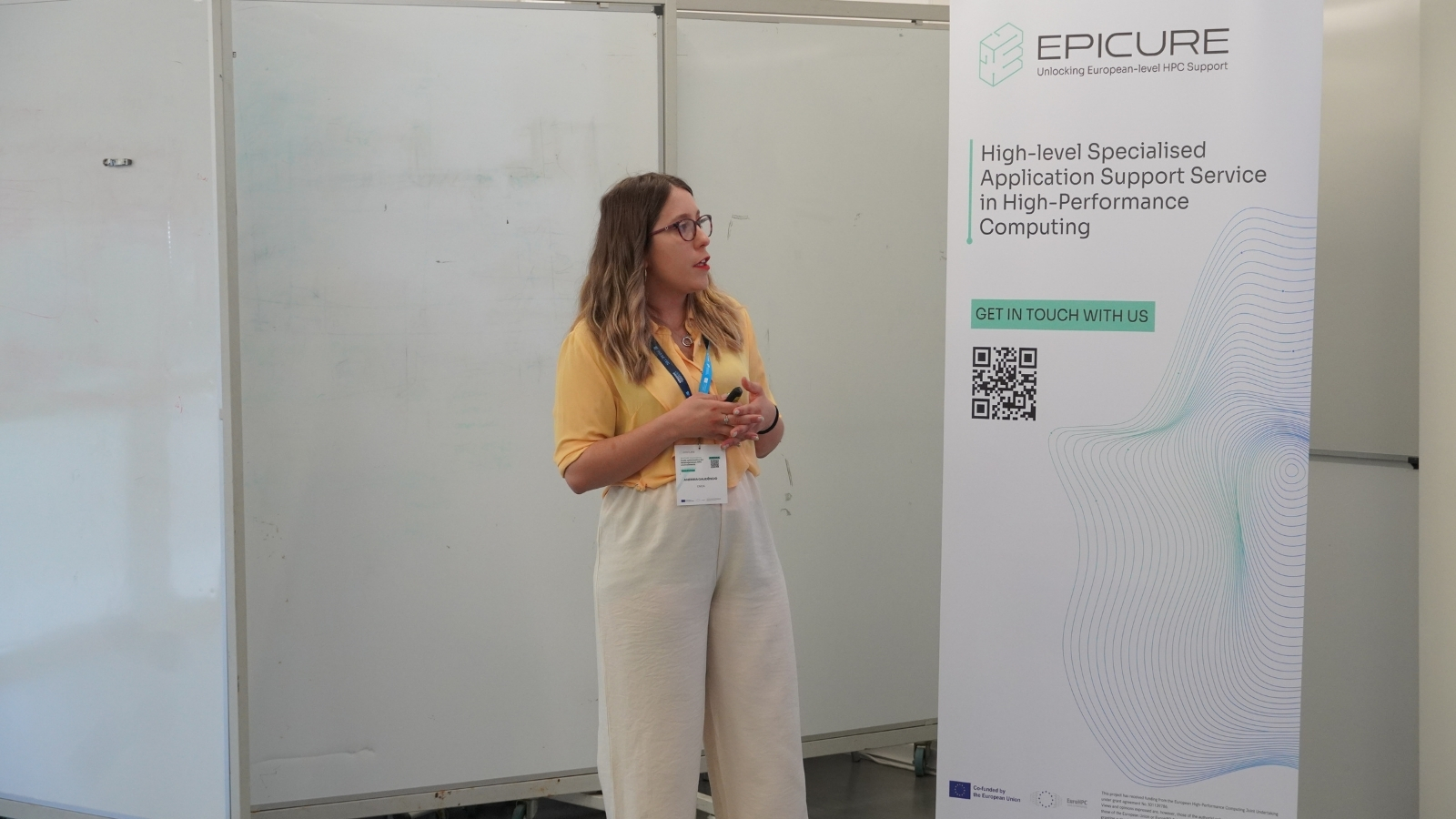
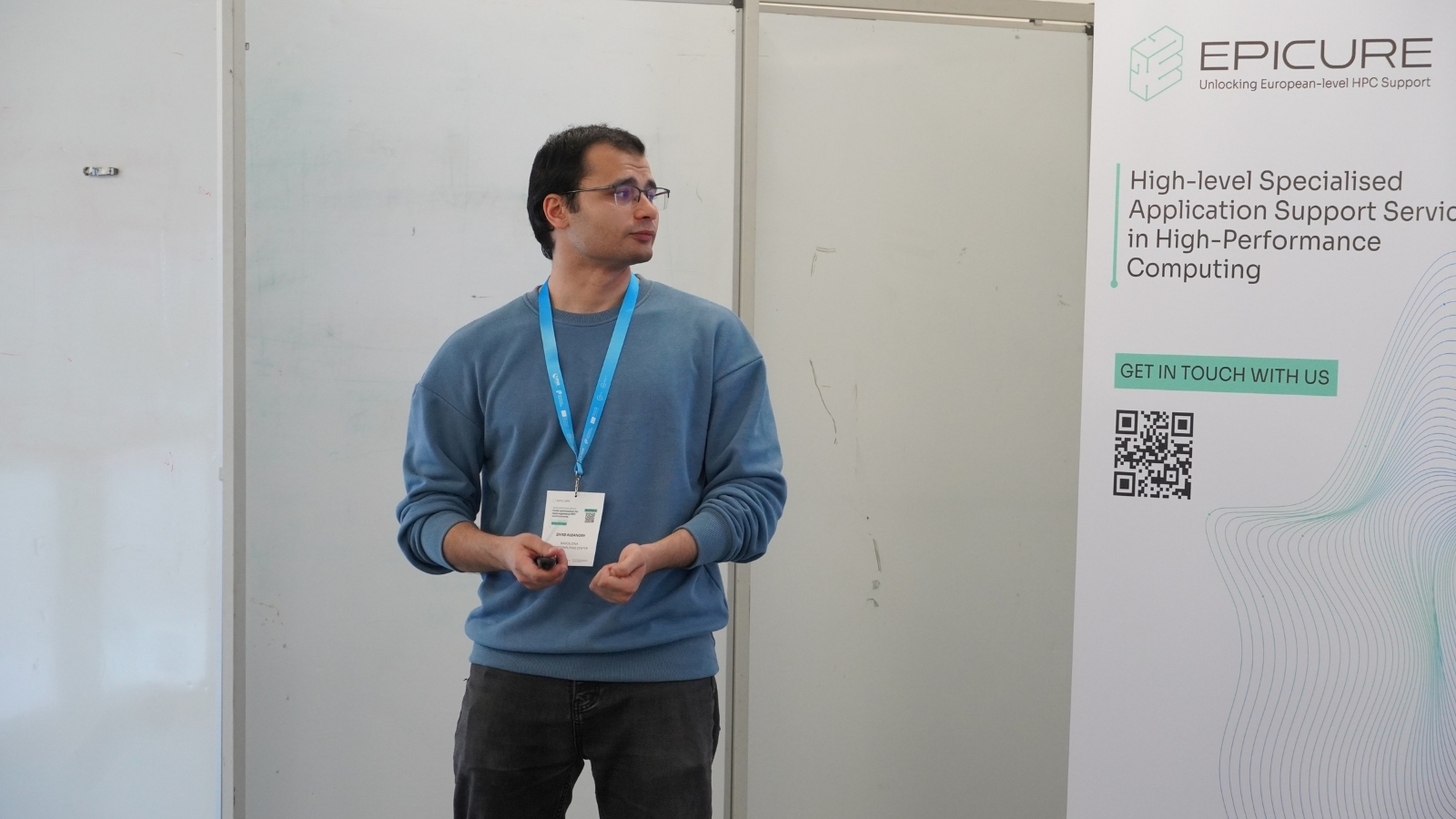
The talks scheduled throughout the event were carefully chosen to complement the hands-on work. Andreia Gaudêncio’s (CNCA) opening session on AI for healthcare gave participants a concrete example of why HPC performance matters beyond benchmarks: when processing biomedical datasets at scale, inefficiency is not just wasteful — it limits the science you can do. Ziyad AlBanoby’s (Barcelona Supercomputing Center) deep dive into the NVIDIA GH200 architecture was immediately practical, as several teams returned to their code from that session with new ideas for their GPU kernels.
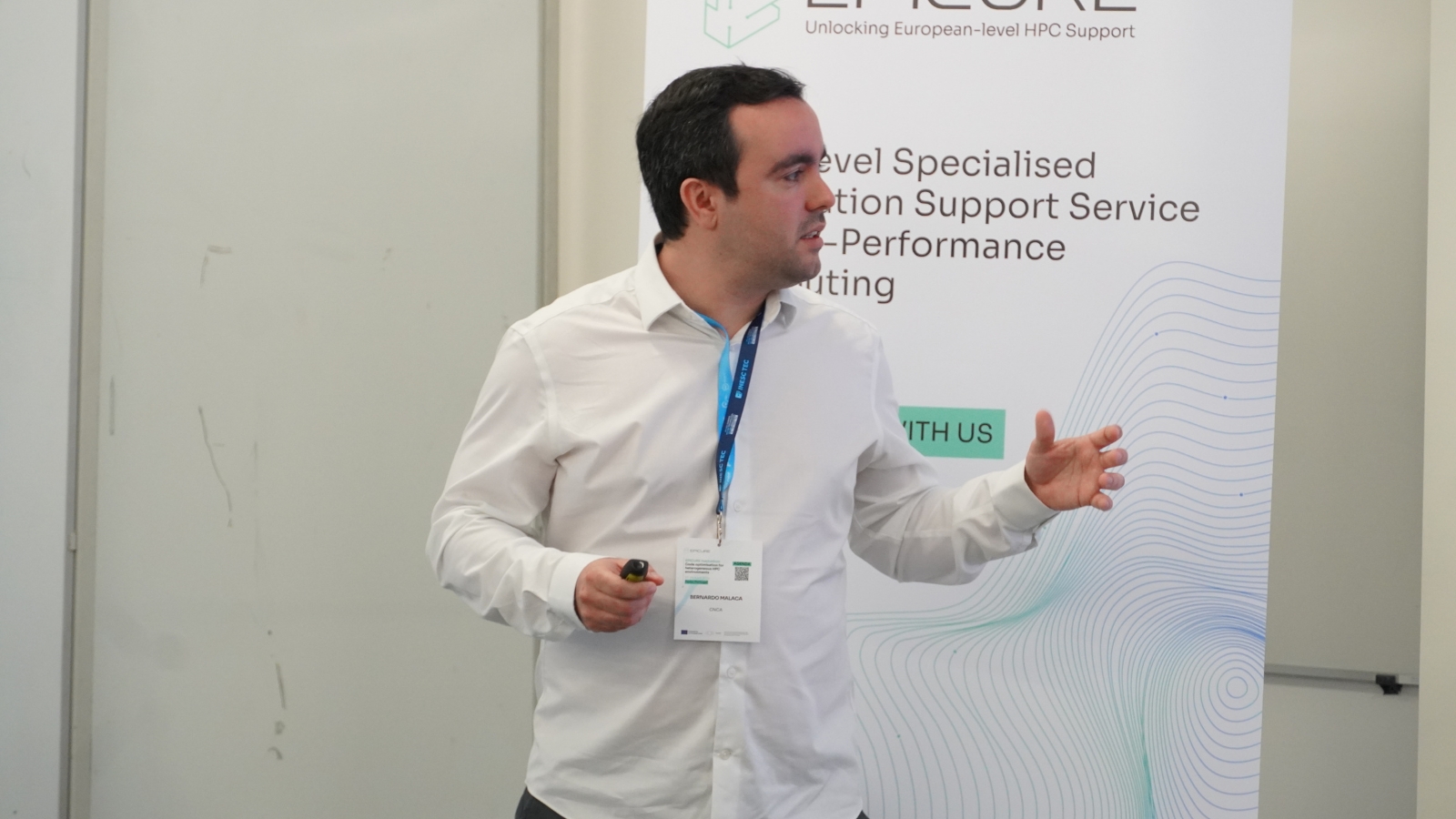
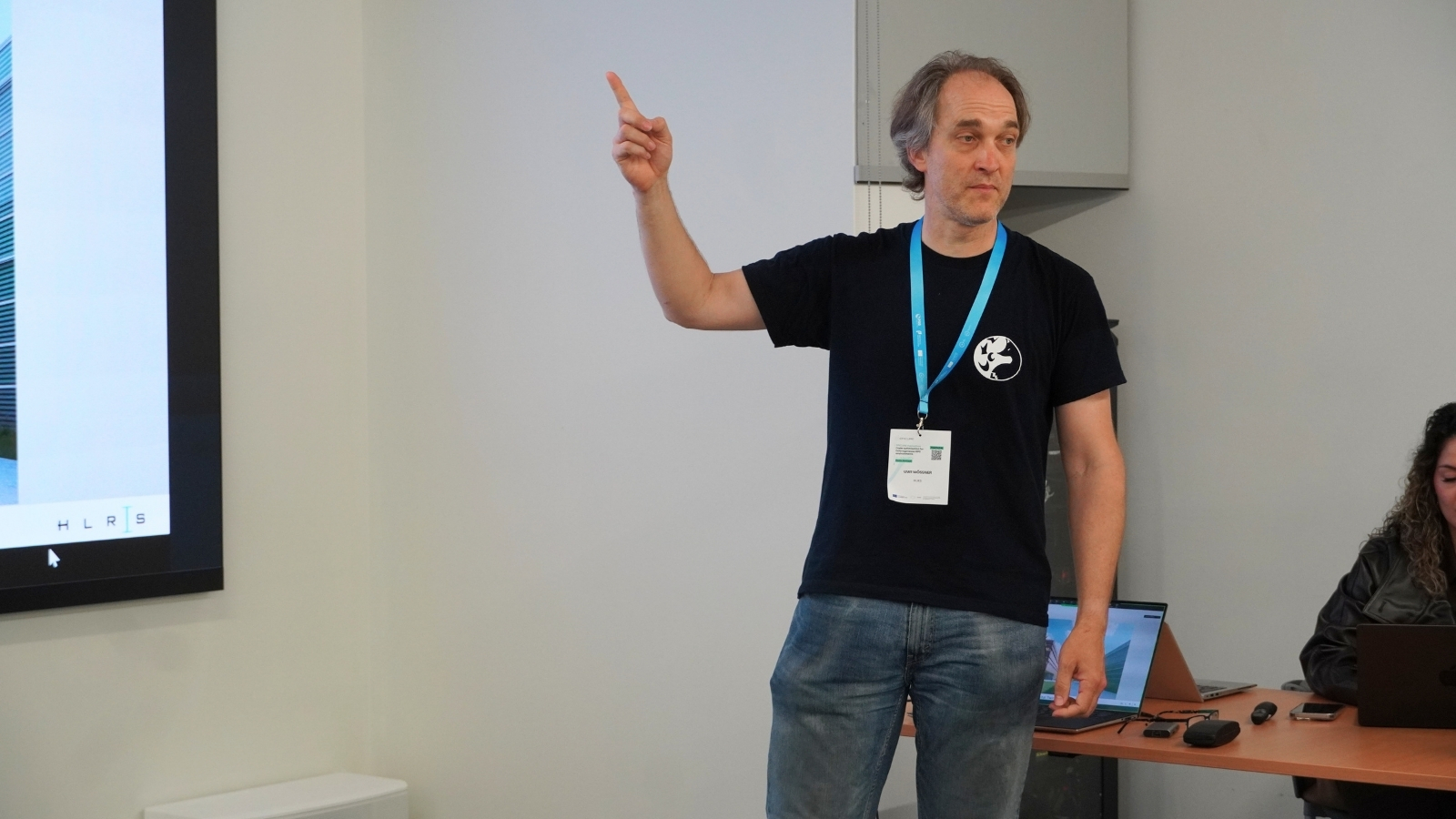
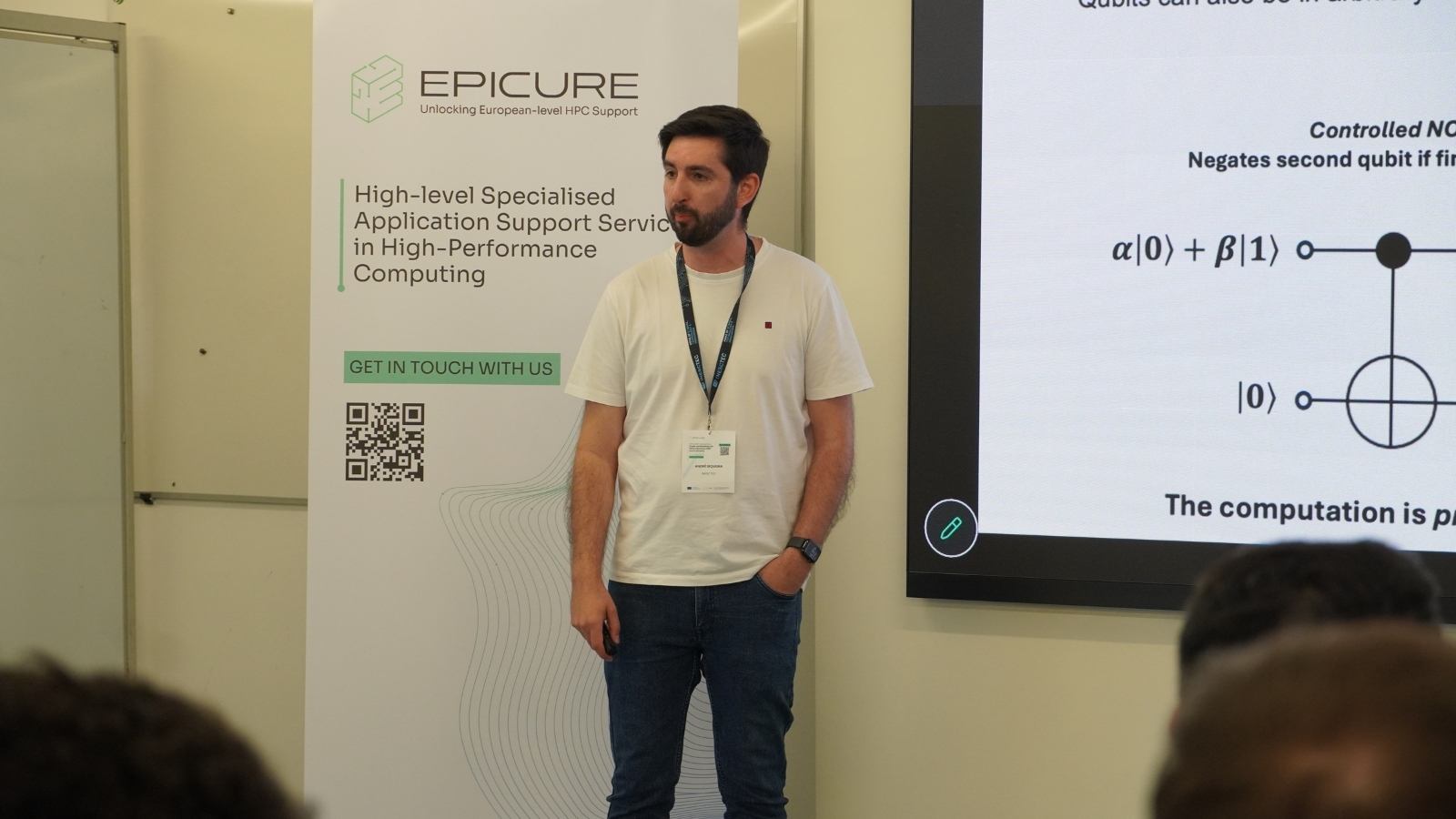
On the second day, Bernardo Malaca (CNCA/Deucalion) addressed ARM-based HPC and how to leverage this architecture through various optimizations. André Sequeira’s (INESC TEC / University of Minho) session on quantum-classical integration served as a starting point for where the field is heading, and it was encouraging to see participants engaging with the topic as an emerging tool they might actually come to use. Uwe Wössner (HLRS Stuttgart) closed the event with a session on GPU-driven scientific visualisation that reminded everyone that HPC is not just about running simulations faster, but also about making the results intelligible.
-
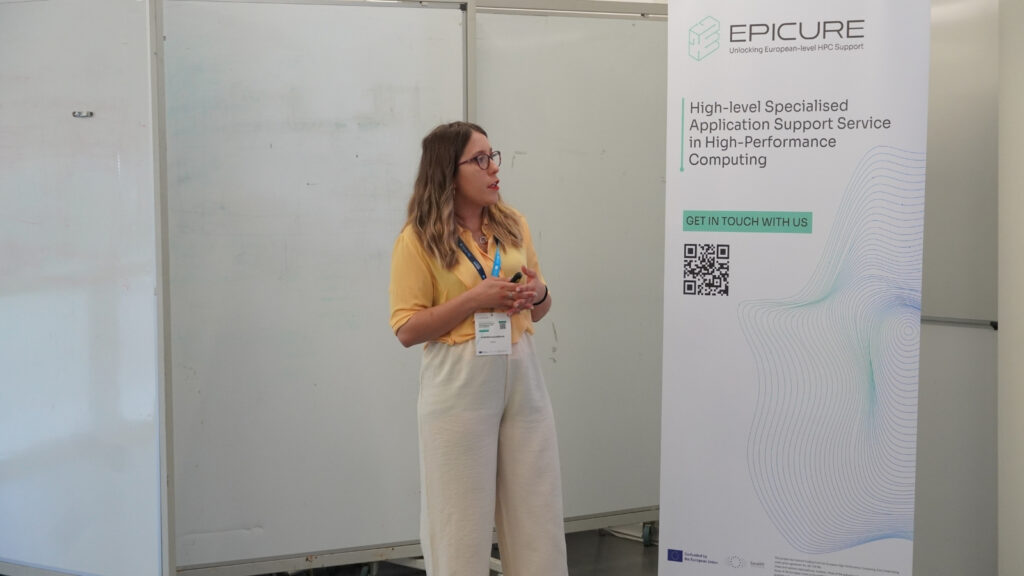
- Andreia Gaudêncio (CNCA)
-
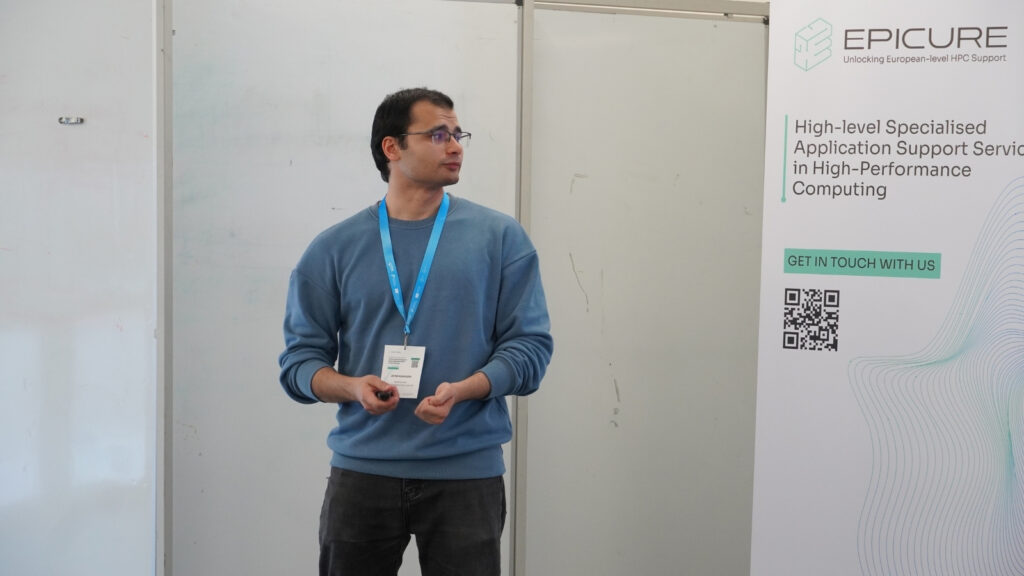
- Ziyad AlBanoby (BSC)
-
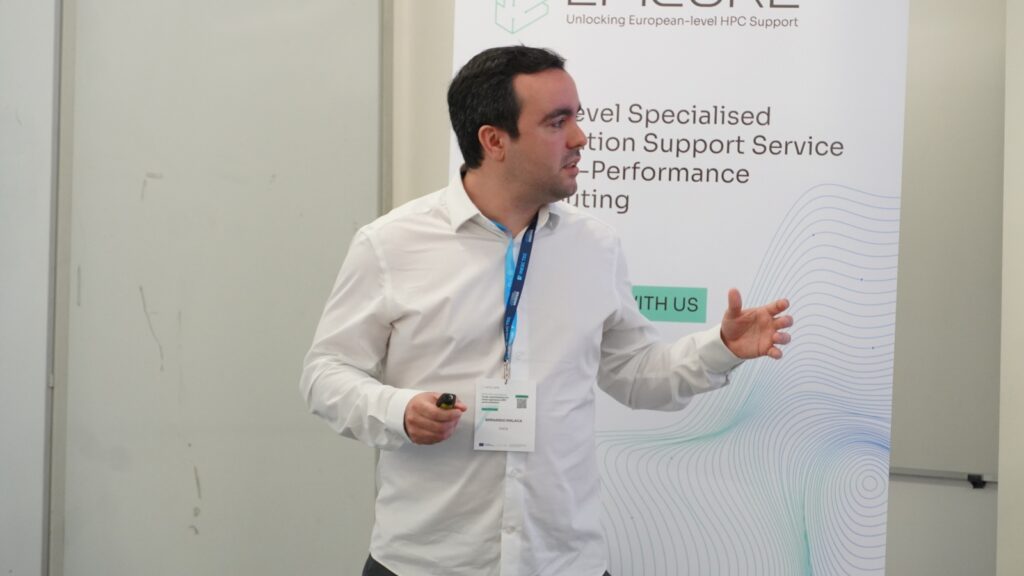
- Bernardo Malaca (CNCA/Deucalion)
-
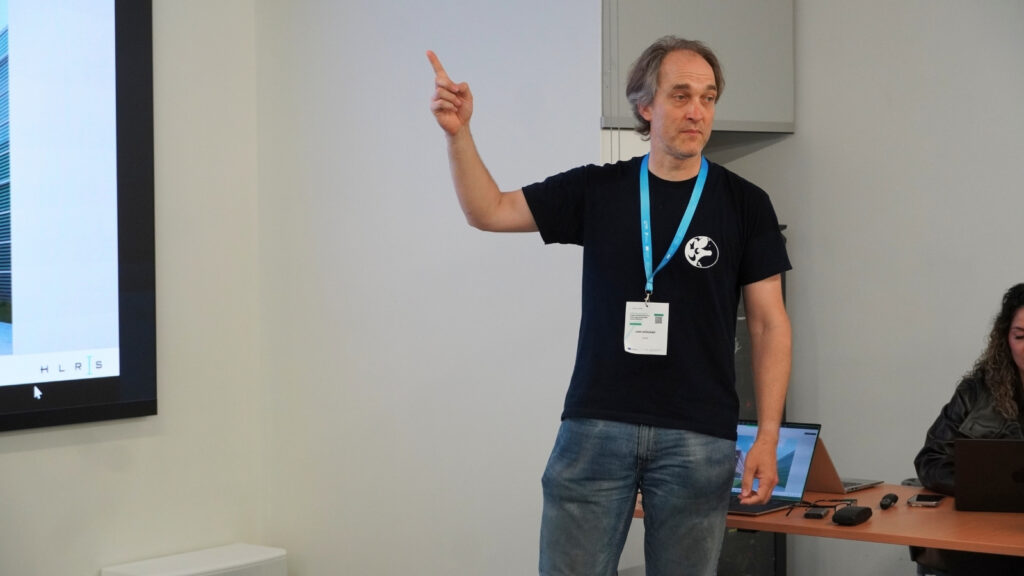
- Uwe Wössner (HLRS)
-
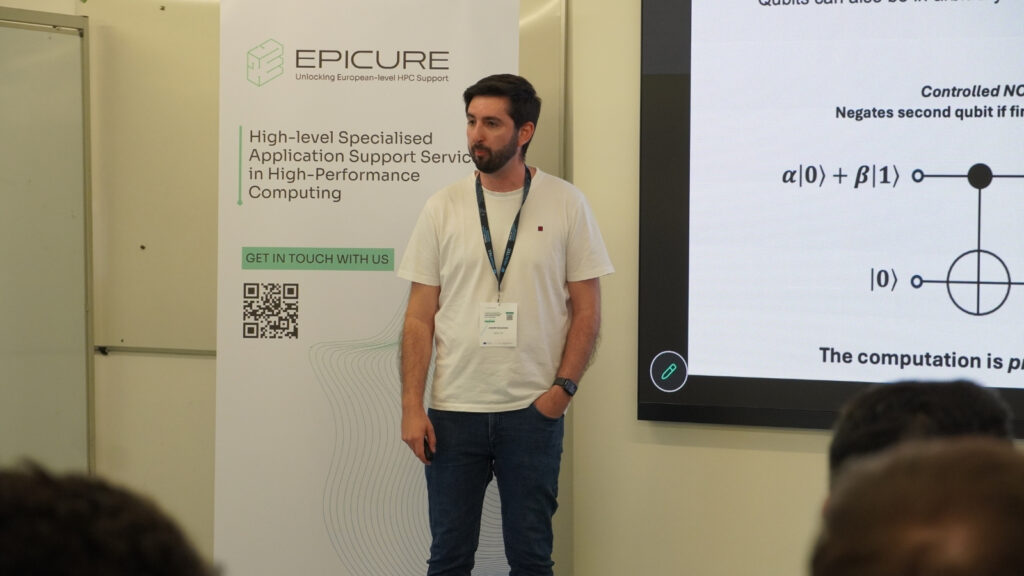
- André Sequeira (INESC TEC/University of Minho)
-
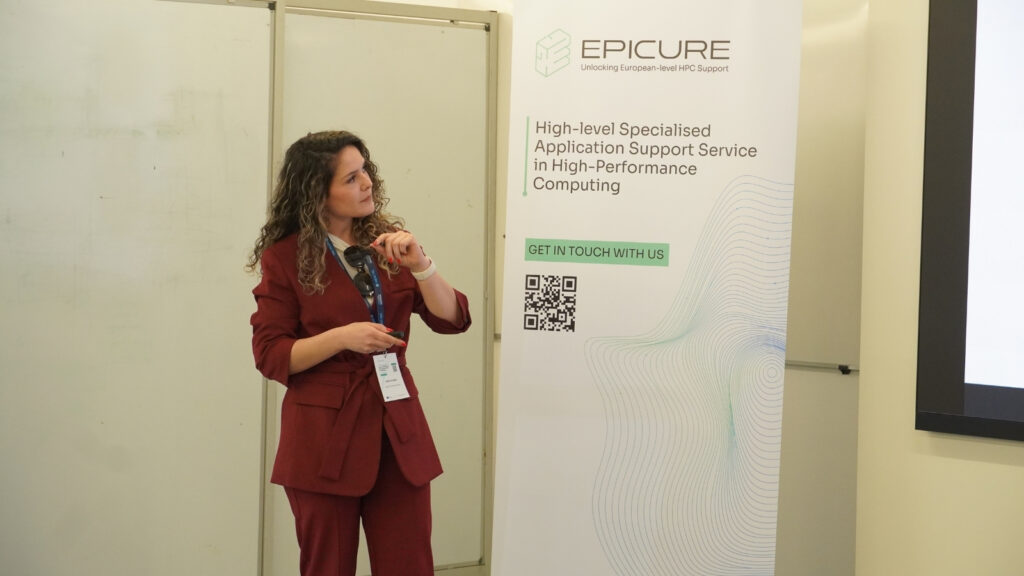
- Alícia Oliveira (INESC TEC/Deucalion)
Why This Matters
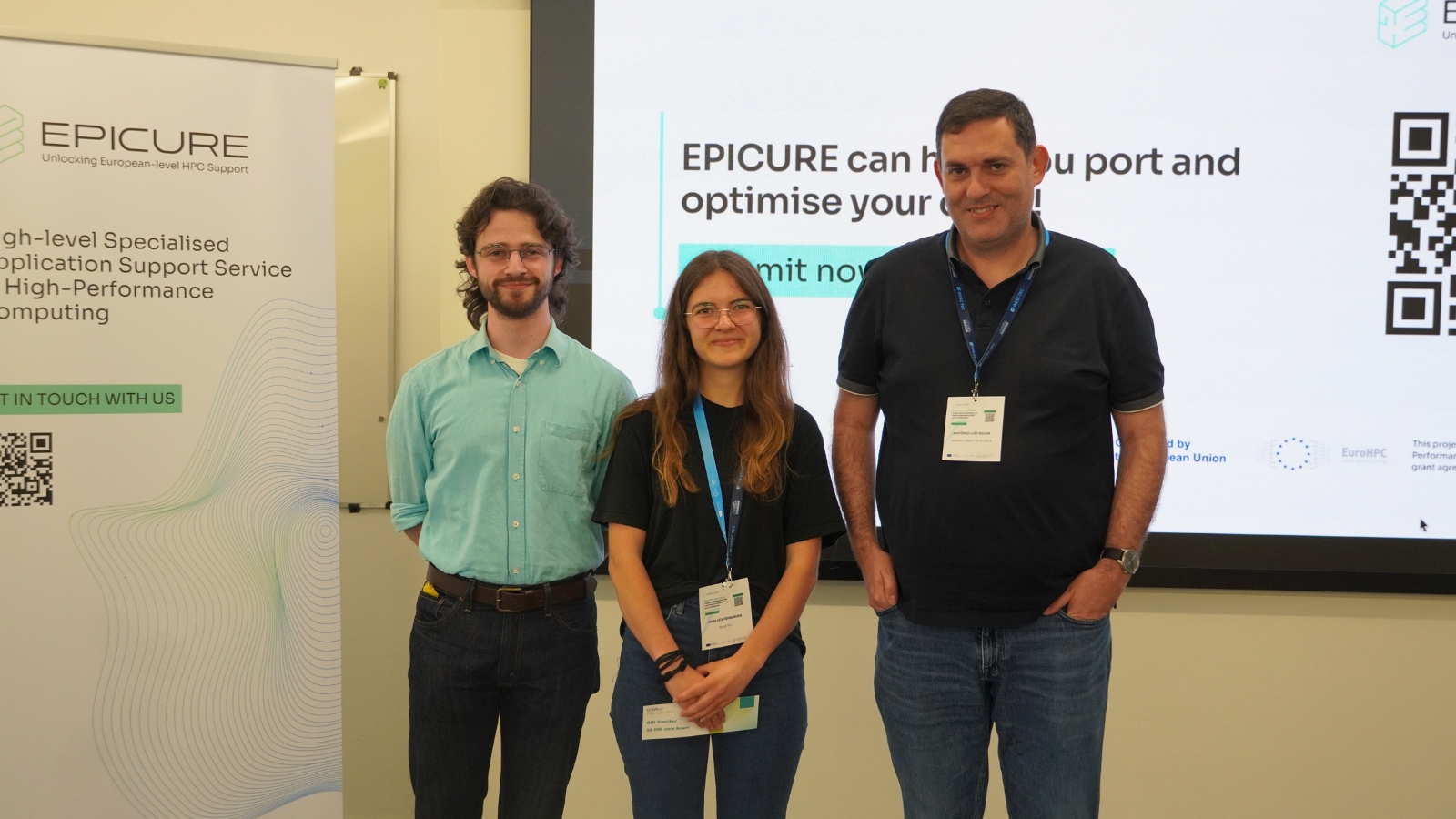
The hackathon awarded compute time on the Deucalion supercomputer to the top three teams: 100,000, 50,000, and 25,000 ARM core-hours. Rather than a certificate in a drawer, the reward is something participants can put directly to work in their research.
But the real value of this event goes beyond prizes. HPC has a persistent accessibility problem. The tools are powerful, the systems are universal, but the barrier to entry — both in terms of knowledge and confidence — remains high. Every time a researcher walks away from a hackathon like this thinking, “I can actually do this,” that barrier gets a little lower.
From a mentor’s perspective, the most rewarding moments were not the biggest speedups or the cleanest code. They were the conversations where someone realised that the problem they had been struggling with alone for weeks had a known solution, or where a team that thought their code was “good enough” discovered they could improve its performance with specific changes. Those are the moments that build an HPC community: not just access to machines, but also the knowledge and confidence to use them well.
EPICURE is doing something truly important by investing in events like this. The European HPC ecosystem needs more people who know how to use it. This hackathon was a step in that direction, and I hope it is far from the last.