

14/10/2026
News
EPICURE Hackathon brings European HPC expertise together in Porto
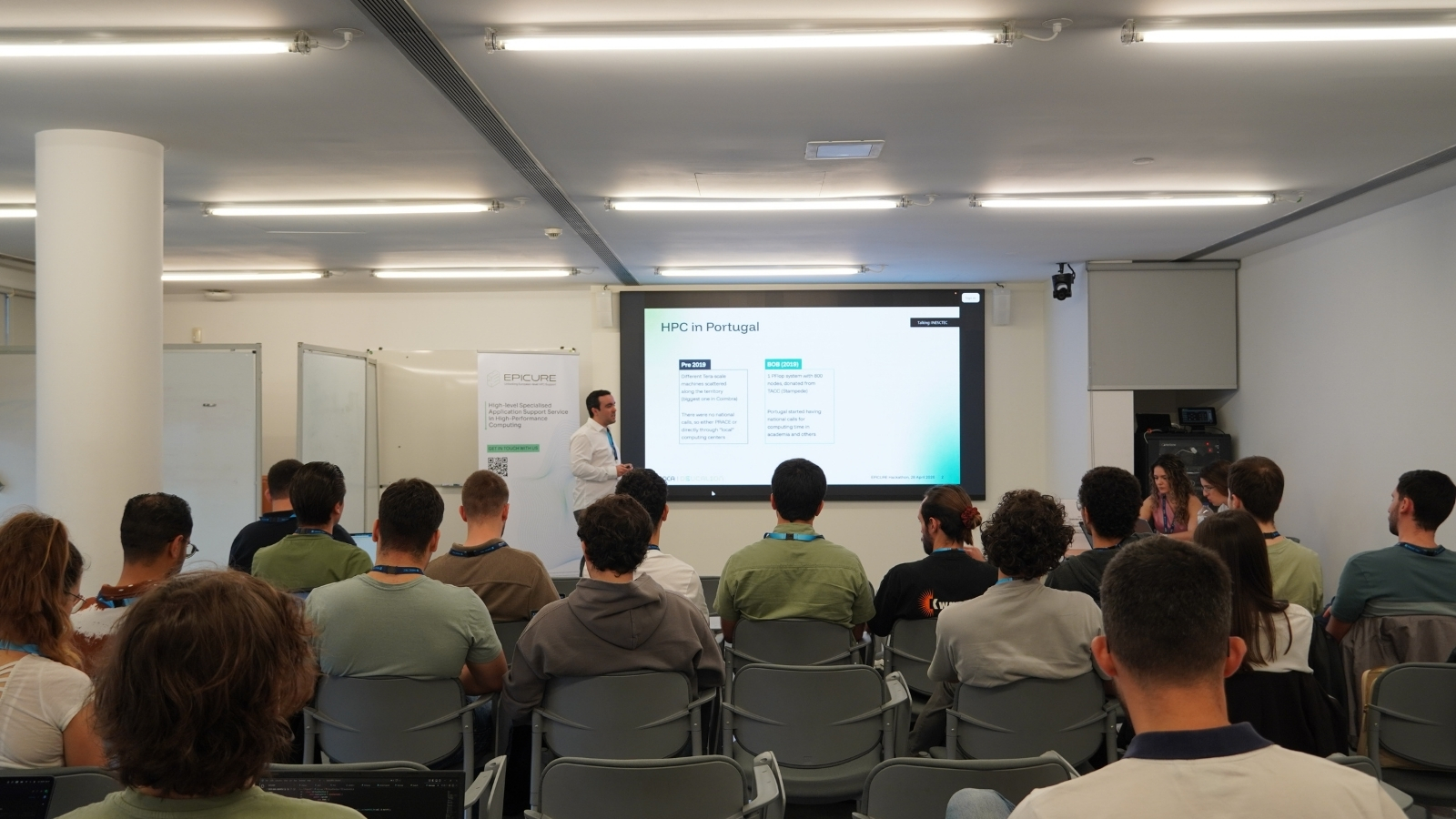
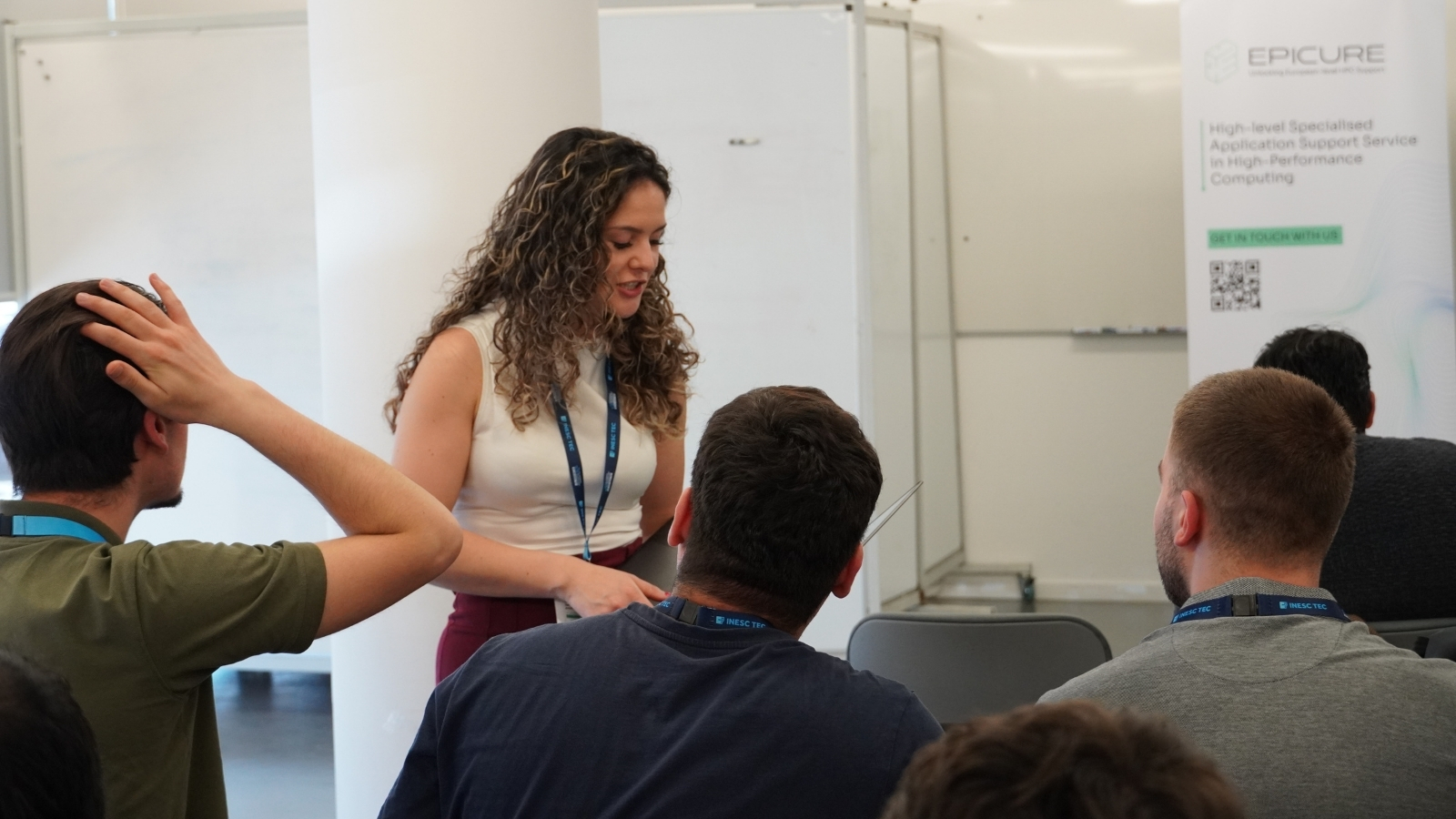
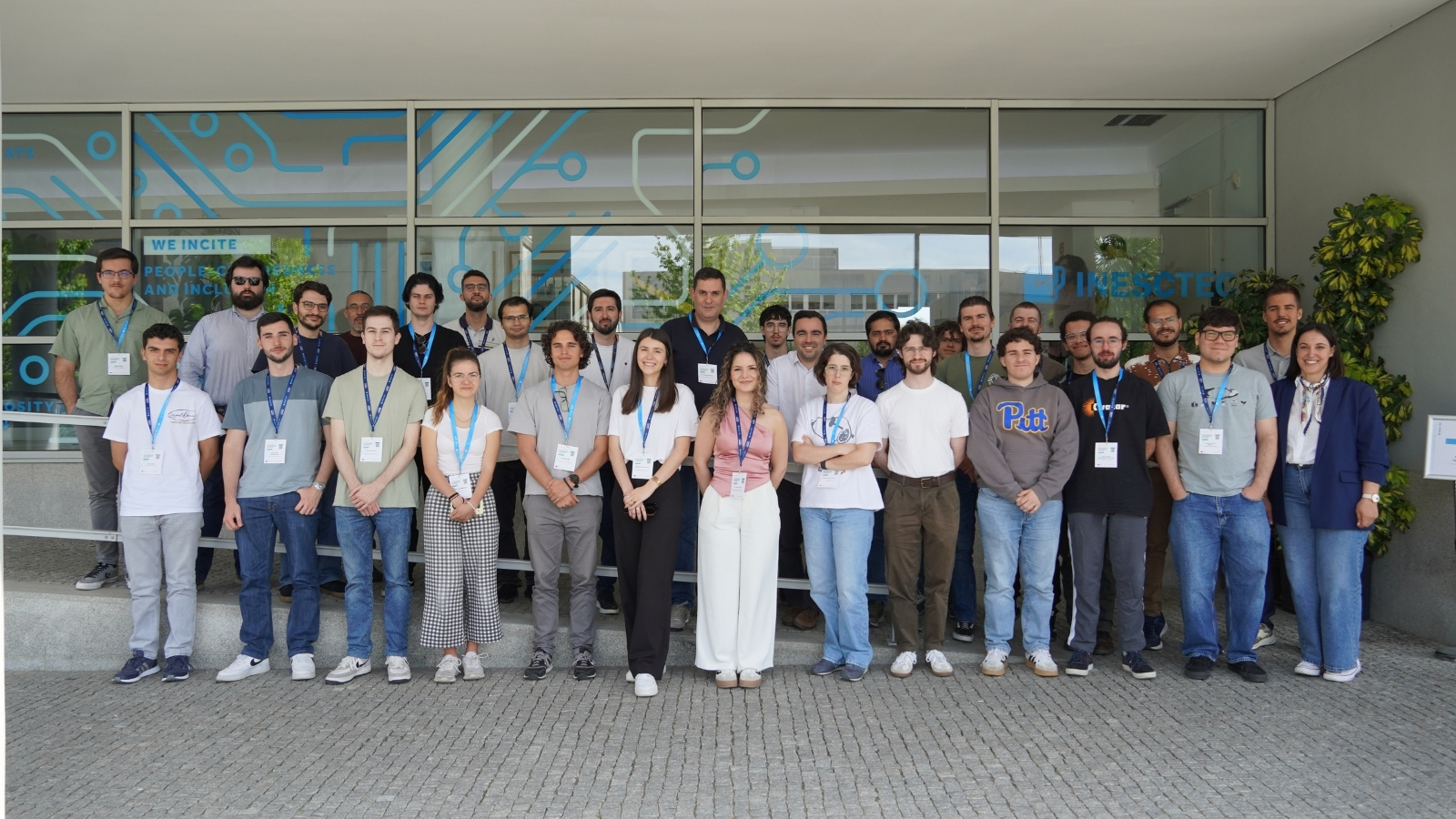
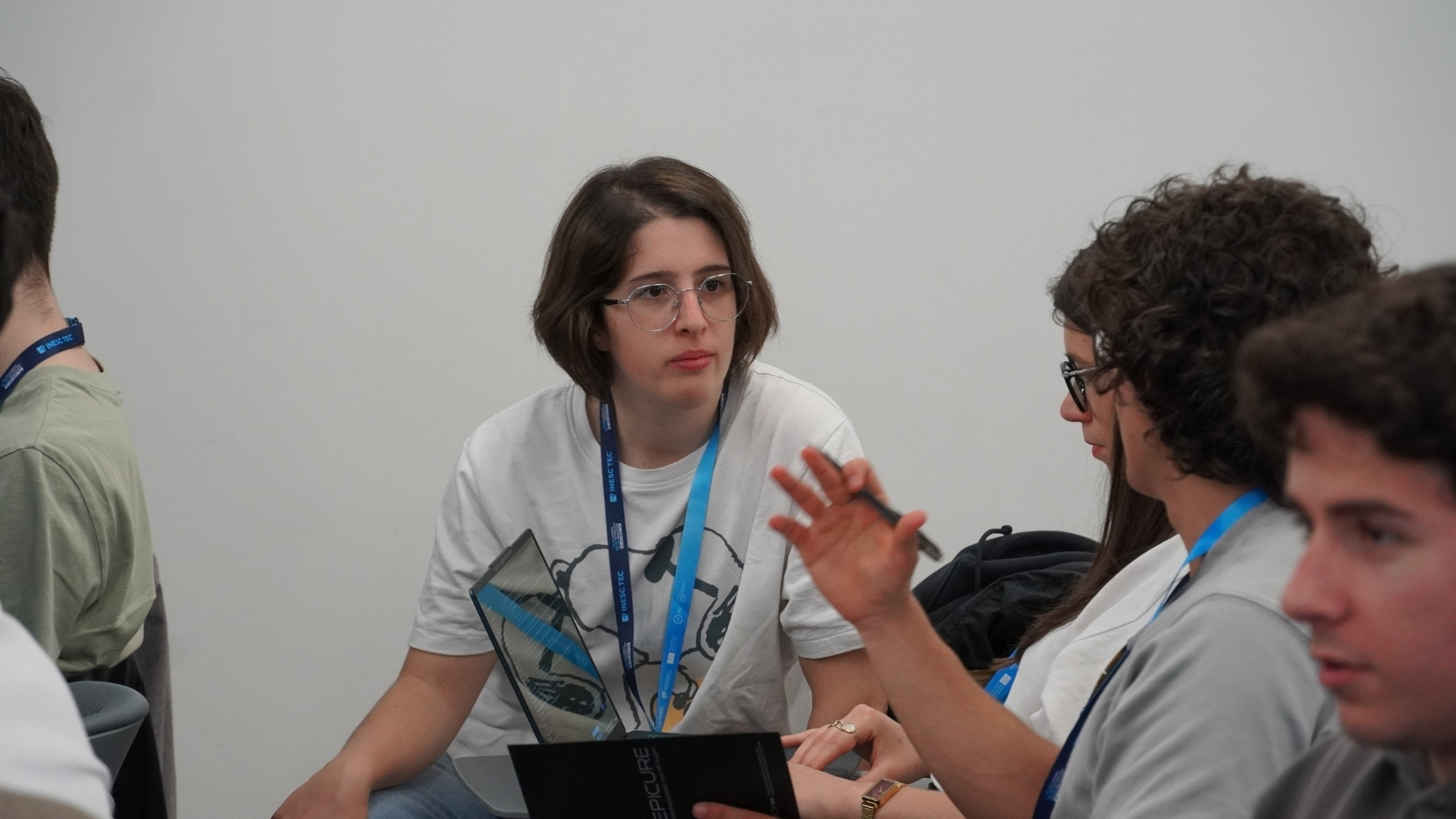
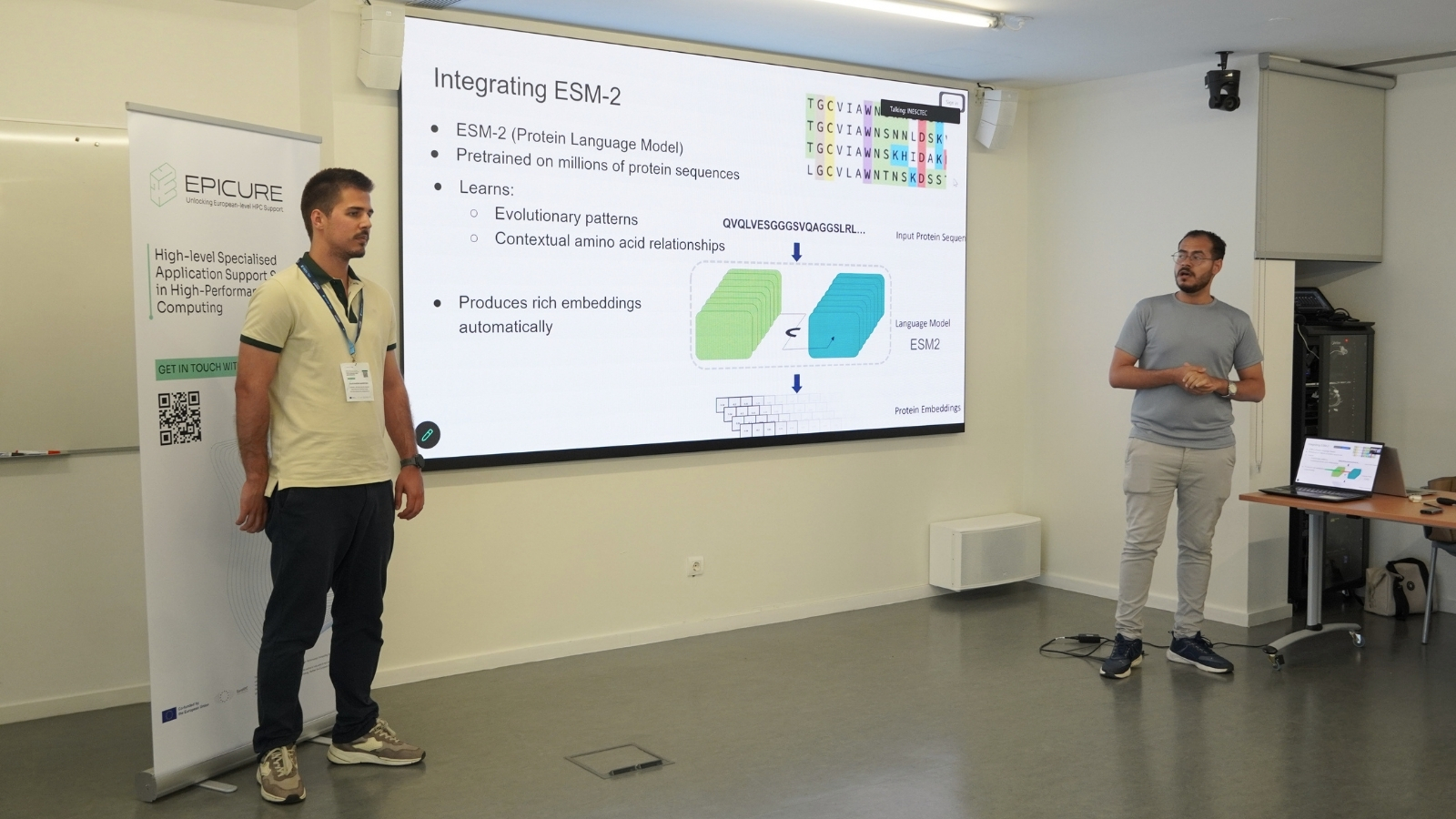
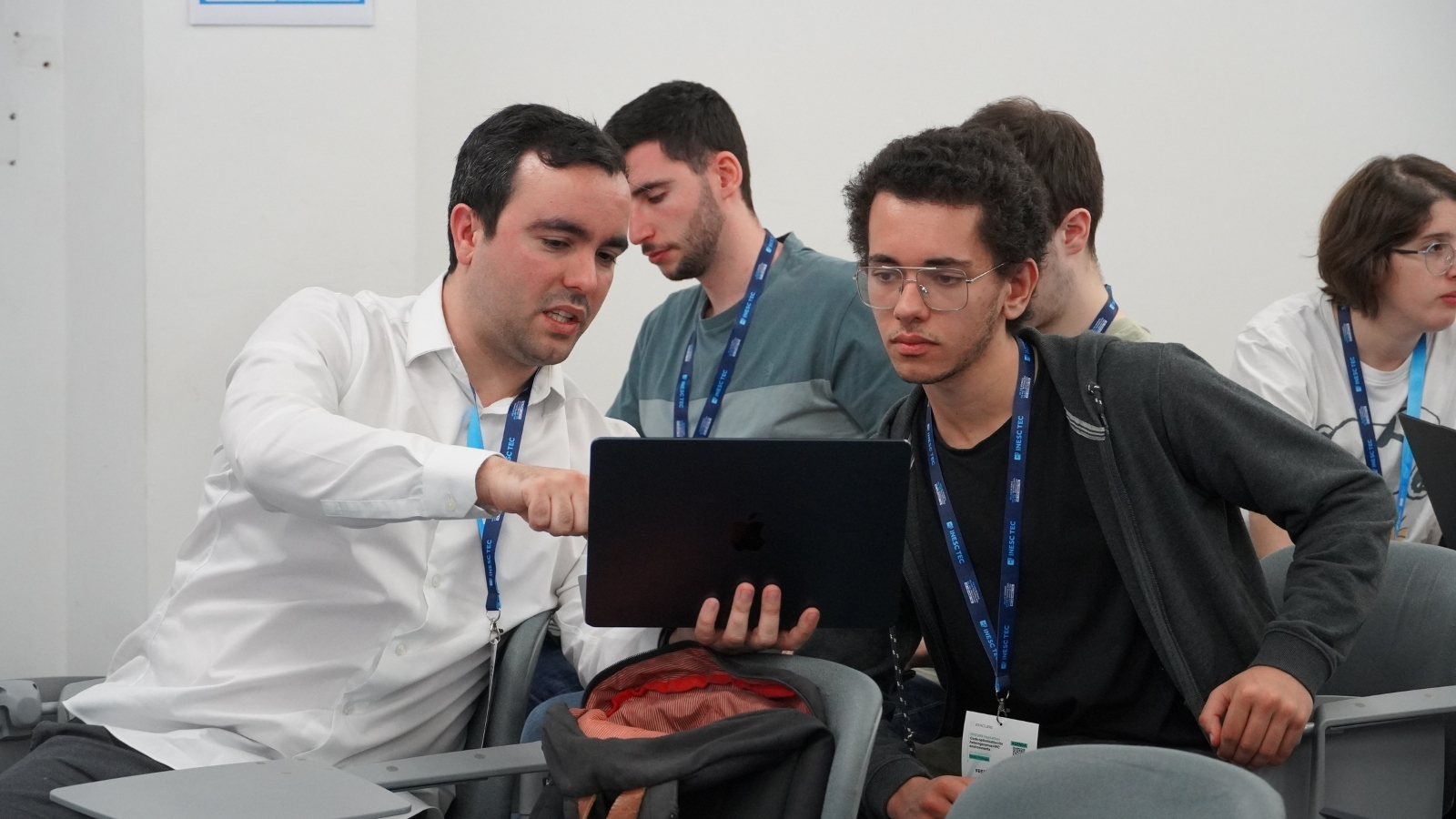
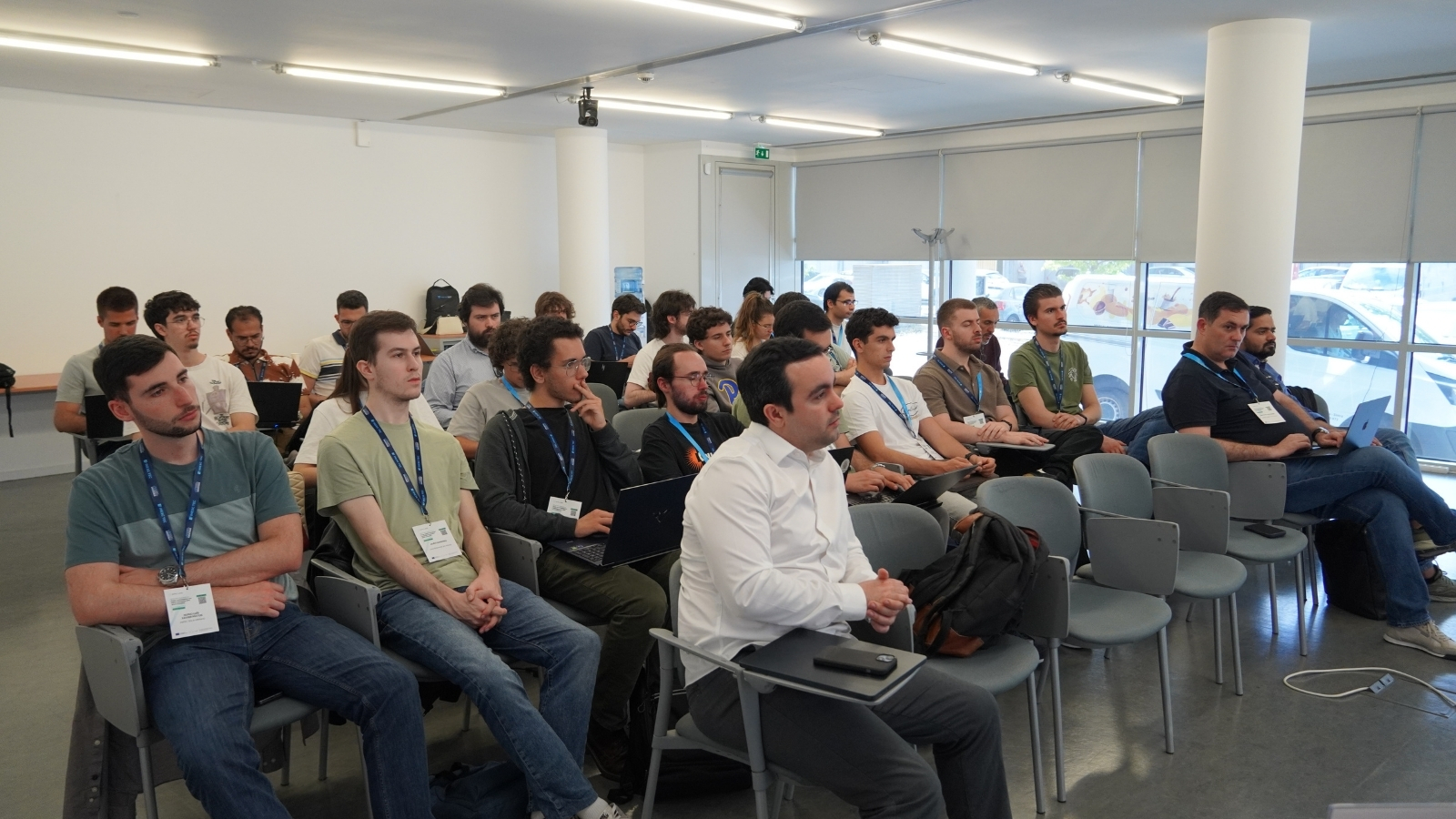
From 27 to 29 April 2026, researchers, developers and HPC users gathered at INESC TEC, Porto, and online for the EPICURE Hackathon: Code Optimisation for Heterogeneous HPC Environments. Organised within the EPICURE project, the event combined hands-on technical work, expert mentoring and keynote sessions focused on performance across modern heterogeneous HPC systems.
Attendees also had the opportunity to work directly with the ARM partition of the EuroHPC supercomputer Deucalion, allowing them to test their applications on cutting-edge hardware.
“The latest EPICURE Hackathon was a great opportunity for researchers and developers to gain hands-on experience with heterogeneous environments. This event promoted the collaboration and competition among the teams and helped prepare the community for the exascale era”, said António Sousa, Deucalion Coordinator and the Advanced Training WP leader.
Two tracks and one shared optimisation challenge
Designed as a practical and collaborative event, the hackathon welcomed participants from different backgrounds and experience levels. The programme featured two tracks based on starter projects provided by the organisers: the Custom Track, focused on optimising participants’ own projects, and the Guided Track, based on starter projects provided by the organisers.
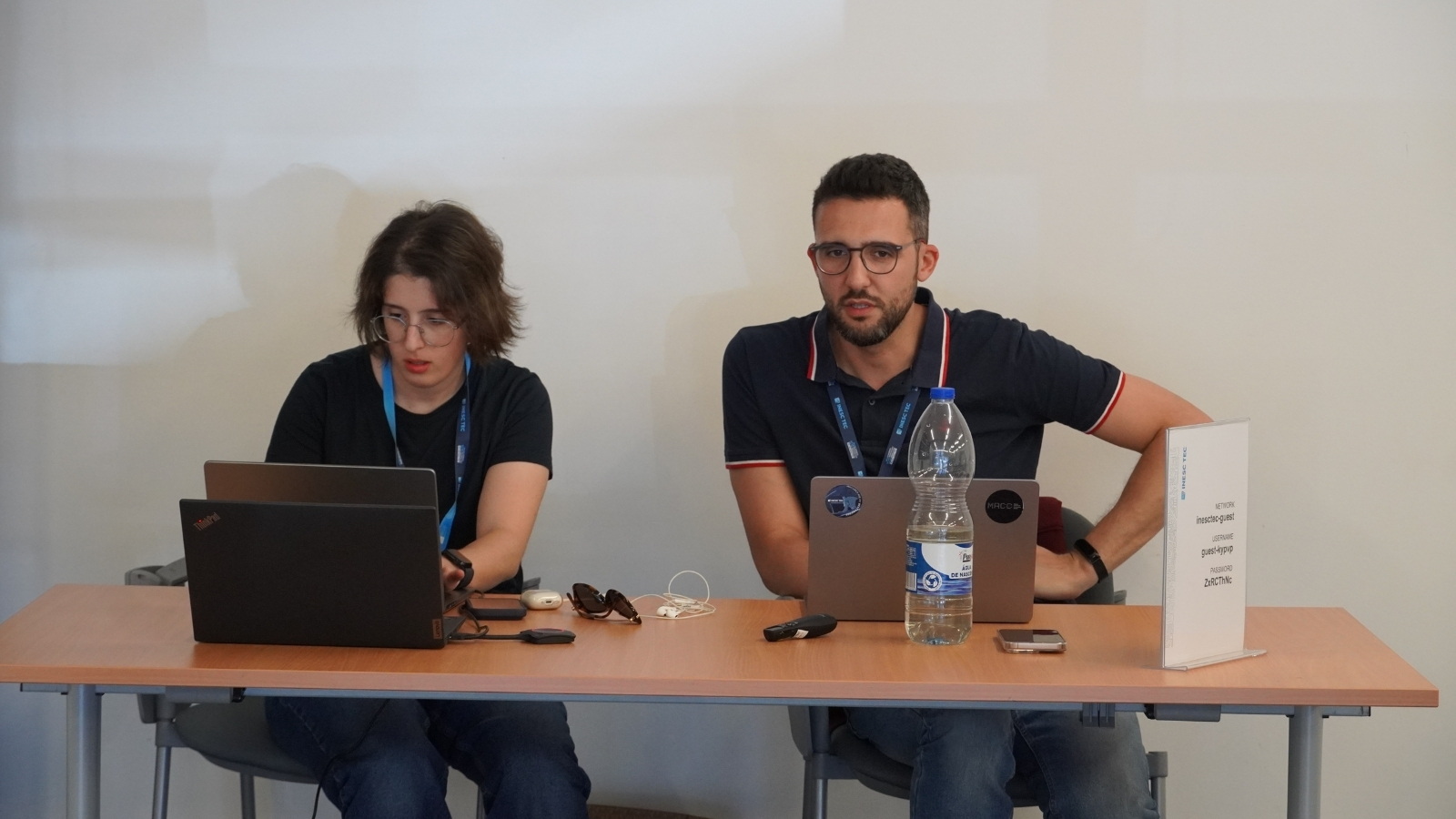
Across both tracks, participants explored optimisation techniques for CPUs and GPUs, while working alongside mentors from the European HPC community.
Throughout the three-day programme, participants engaged with technologies and workflows spanning AI, molecular simulations and quantum computing, using frameworks and tools such as LLaMA.cpp, vLLMs, AlphaFold3, Qiskit, GROMACS, NAMD and Nextflow.
Keynotes, mentoring and technical support
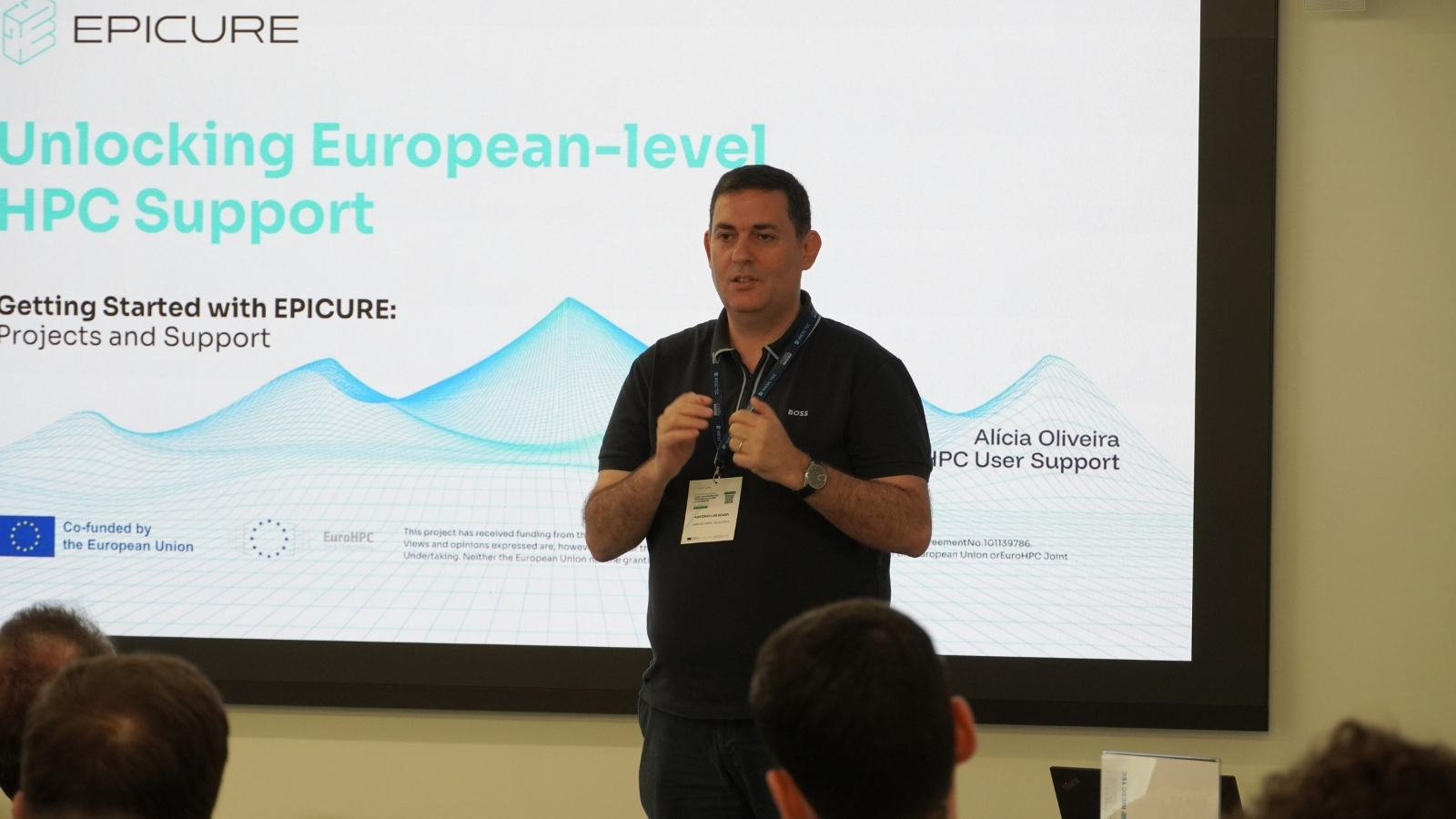
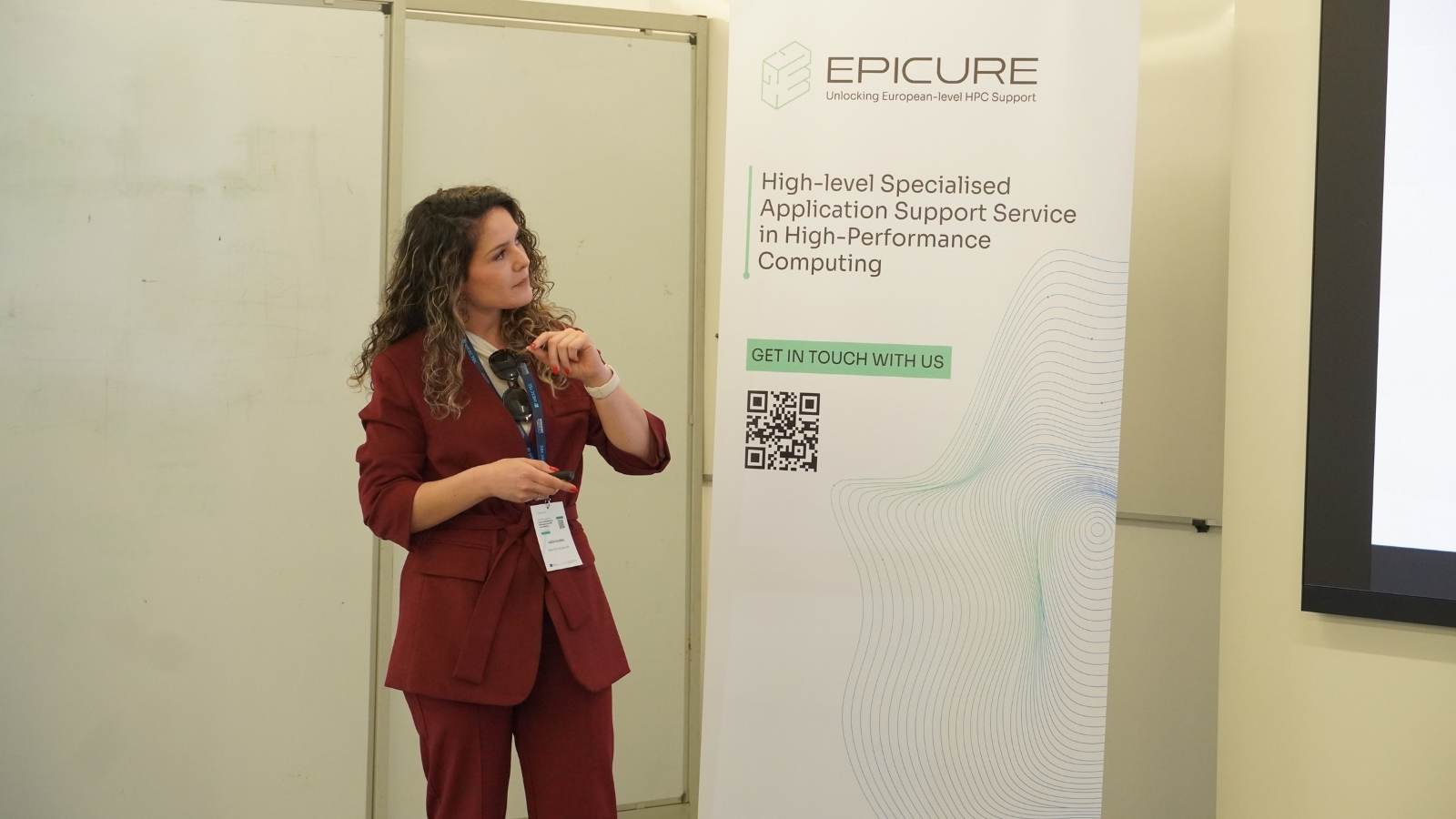
The event opened with a welcome session by António Sousa, followed by an introduction to EPICURE projects, support services and activities by Alícia Oliveira, from INESC TEC. The keynote programme featured speakers from leading European institutions and infrastructures, including:
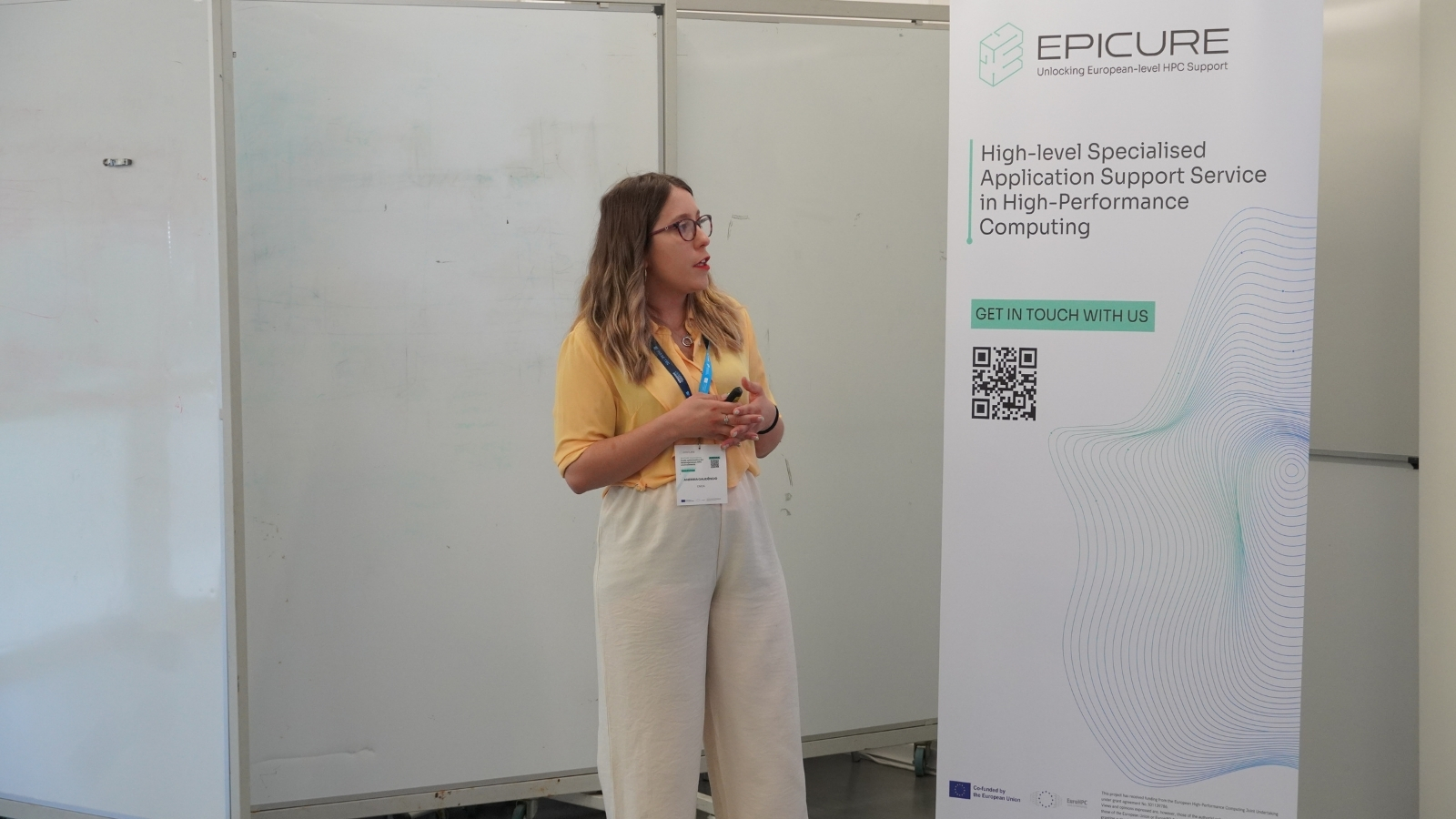
- – Andreia Gaudêncio, “From Data to Diagnosis: AI Powered by HPC” | Data Services Specialist at CNCA (Centro Nacional de Computação Avançada)
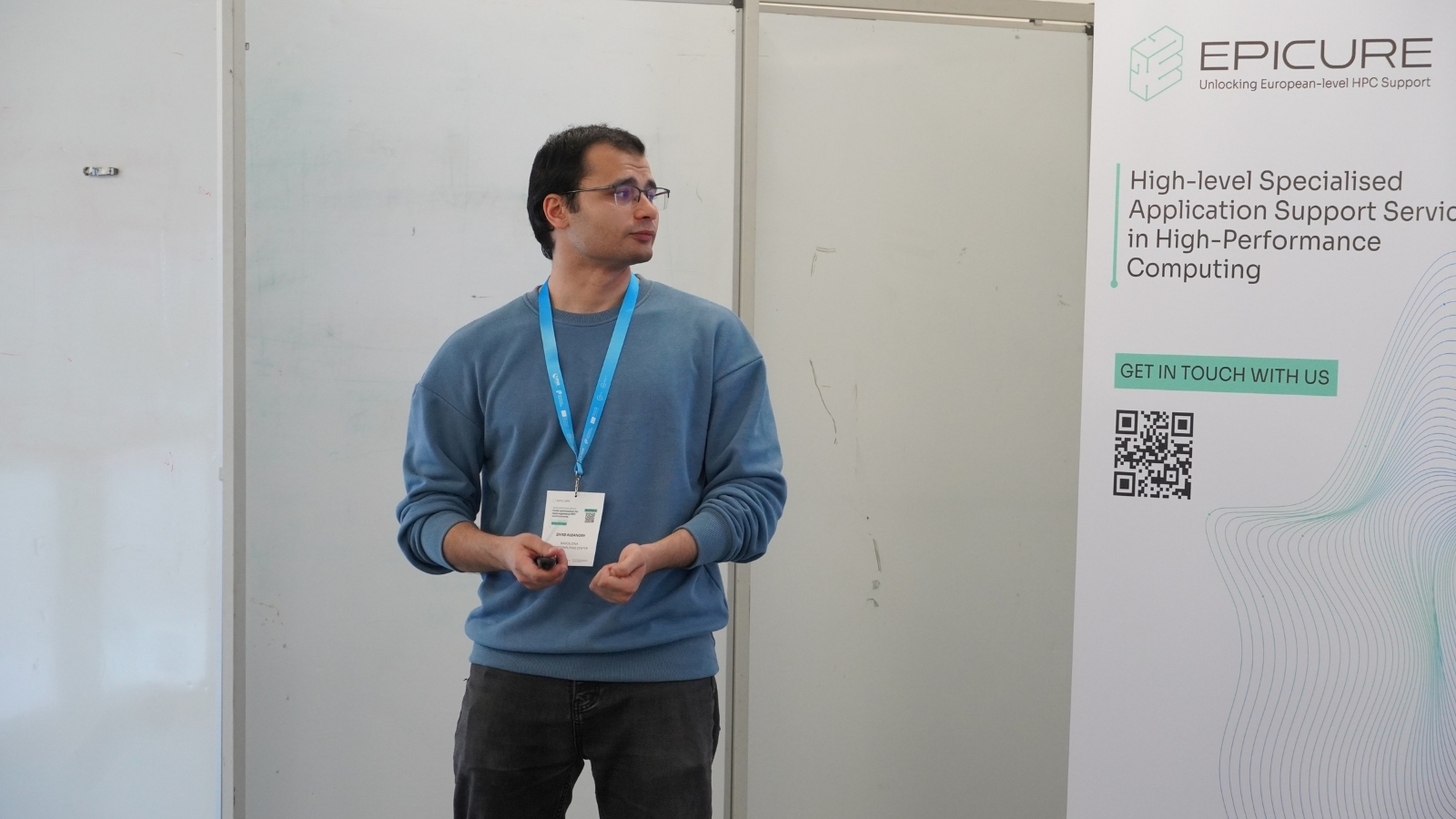
- – Ziyad AlBanoby, “Inside GH200: Architecture Fundamentals and Application Profiling for HPC” | High-Level Support Team at the Barcelona Supercomputing Center
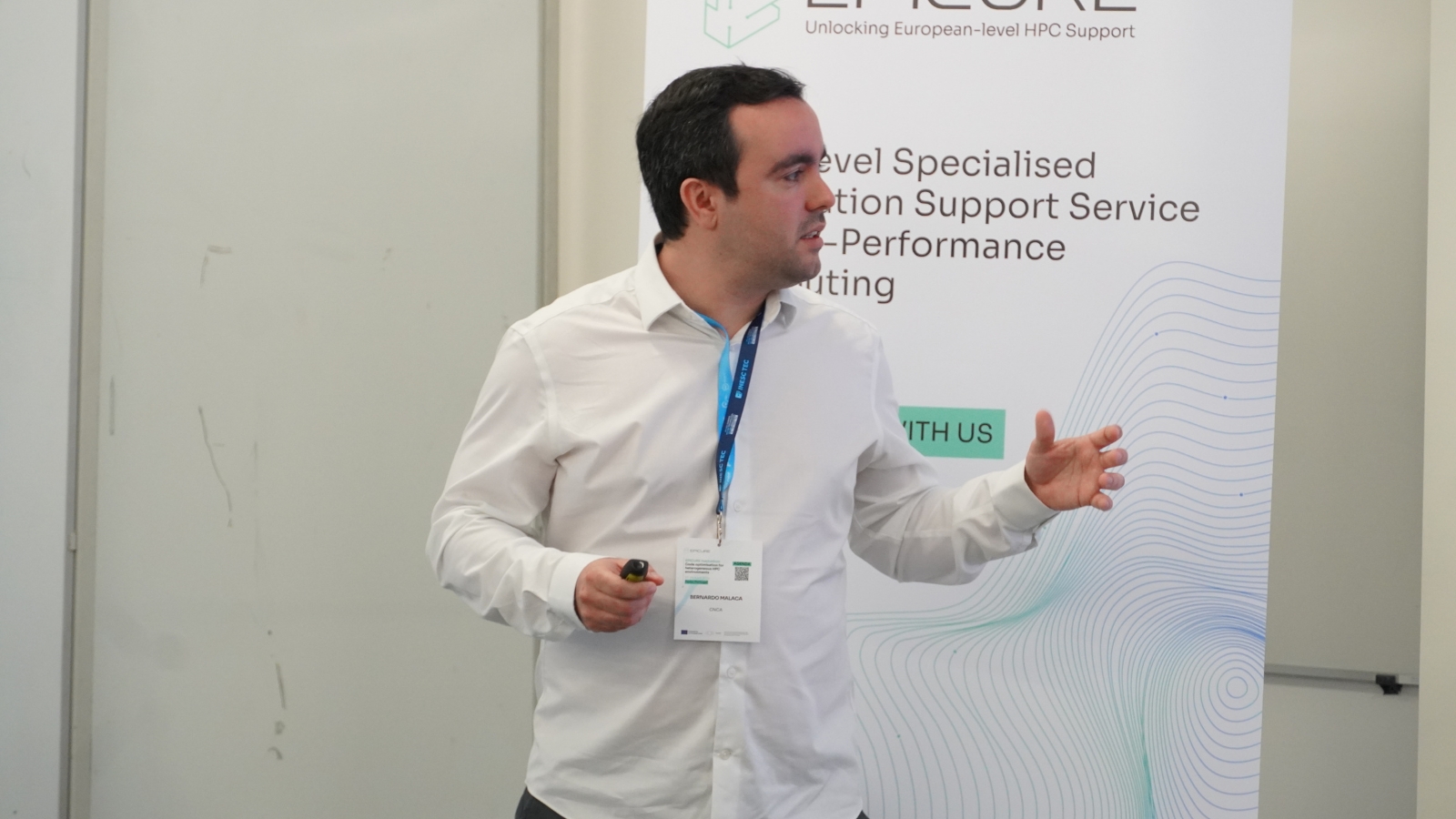
- – Bernardo Malaca, “Optimising scientific code at the Deucalion ARM partition” | User Support Team at the Deucalion Supercomputer
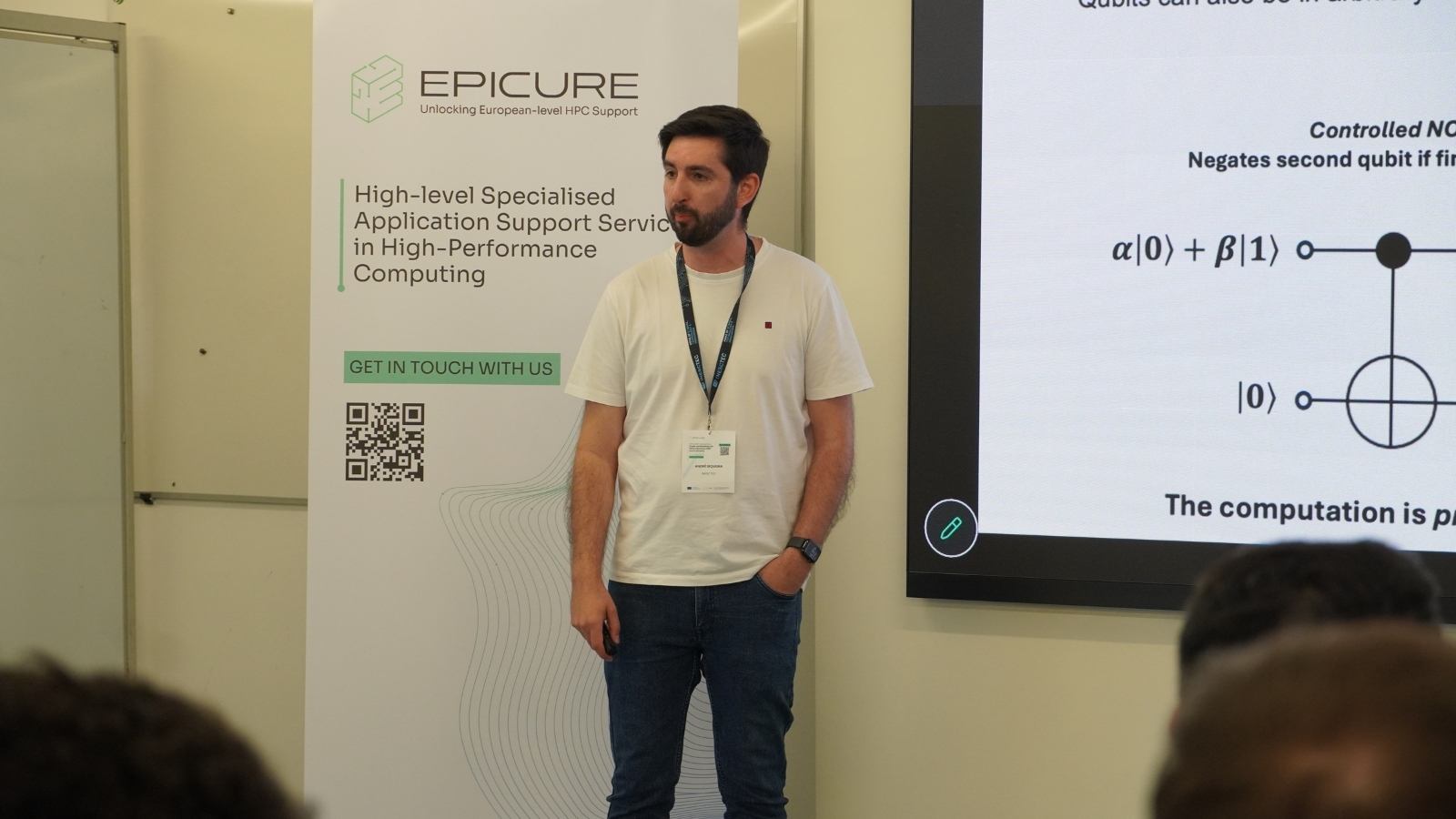
- – André Sequeira, “Quantum Computing Meets HPC: The Next Computational Frontier” | Assistant Researcher at INESC TEC
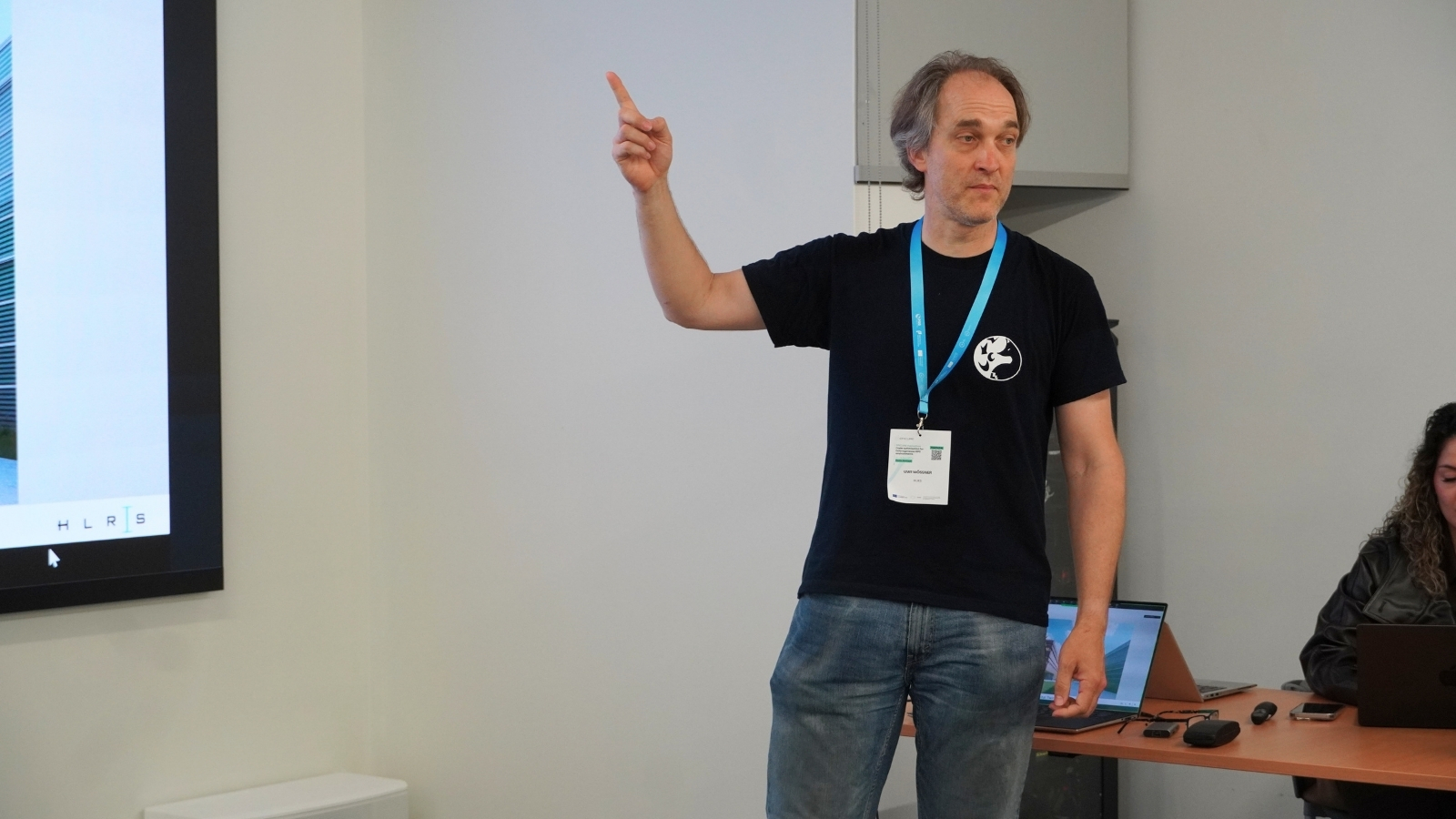
- – Uwe Wössner, “Using GPUs for their intended purpose: from interactive parallel visualisation to digital twins in VR and AR” | Head of Visualisation Department at the High Performance Computing Center Stuttgart (HLRS)
Participants also received support from mentors and technical experts throughout the event. These included EPICURE consortium members Bert Jorissen, Isabel Rio-Torto, João Barbosa, Laura Bellentani, Nuno Reis, Francisco Vide, Miguel Peixoto, and Rui Silva from the Deucalion team, as well as external experts Miguel Dias Costa and Sergio Orlandini.
Final presentations and winning projects
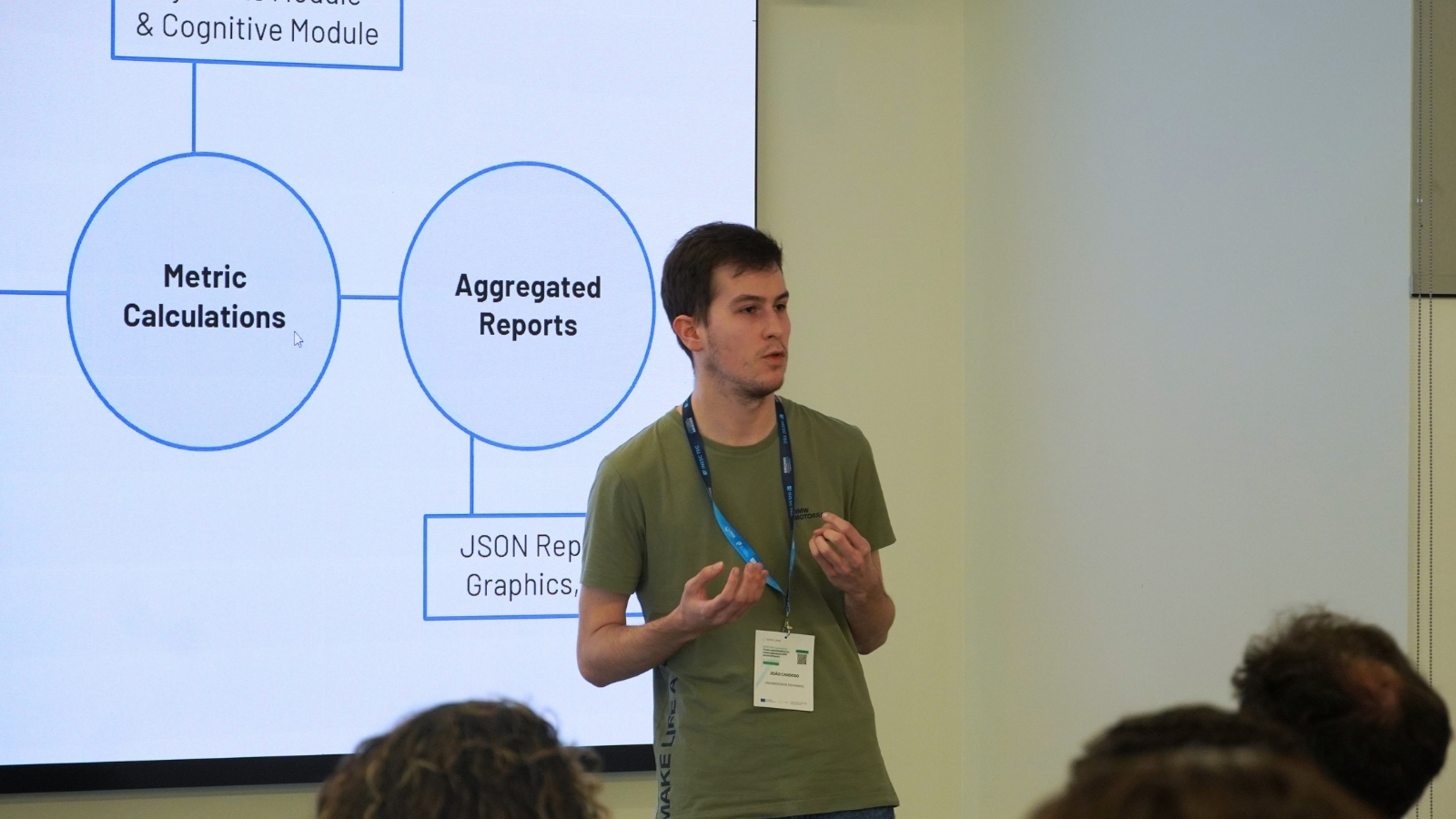
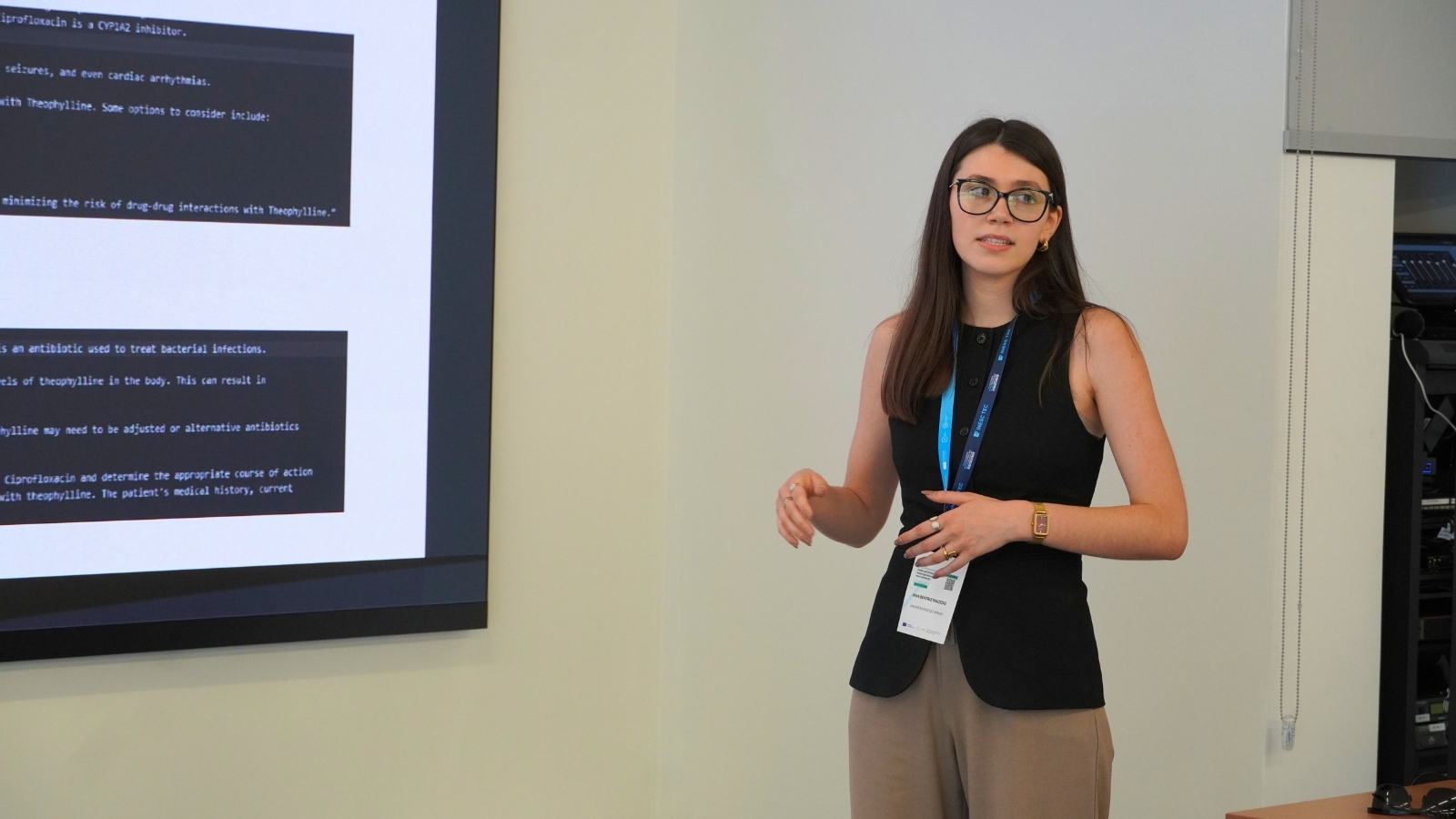
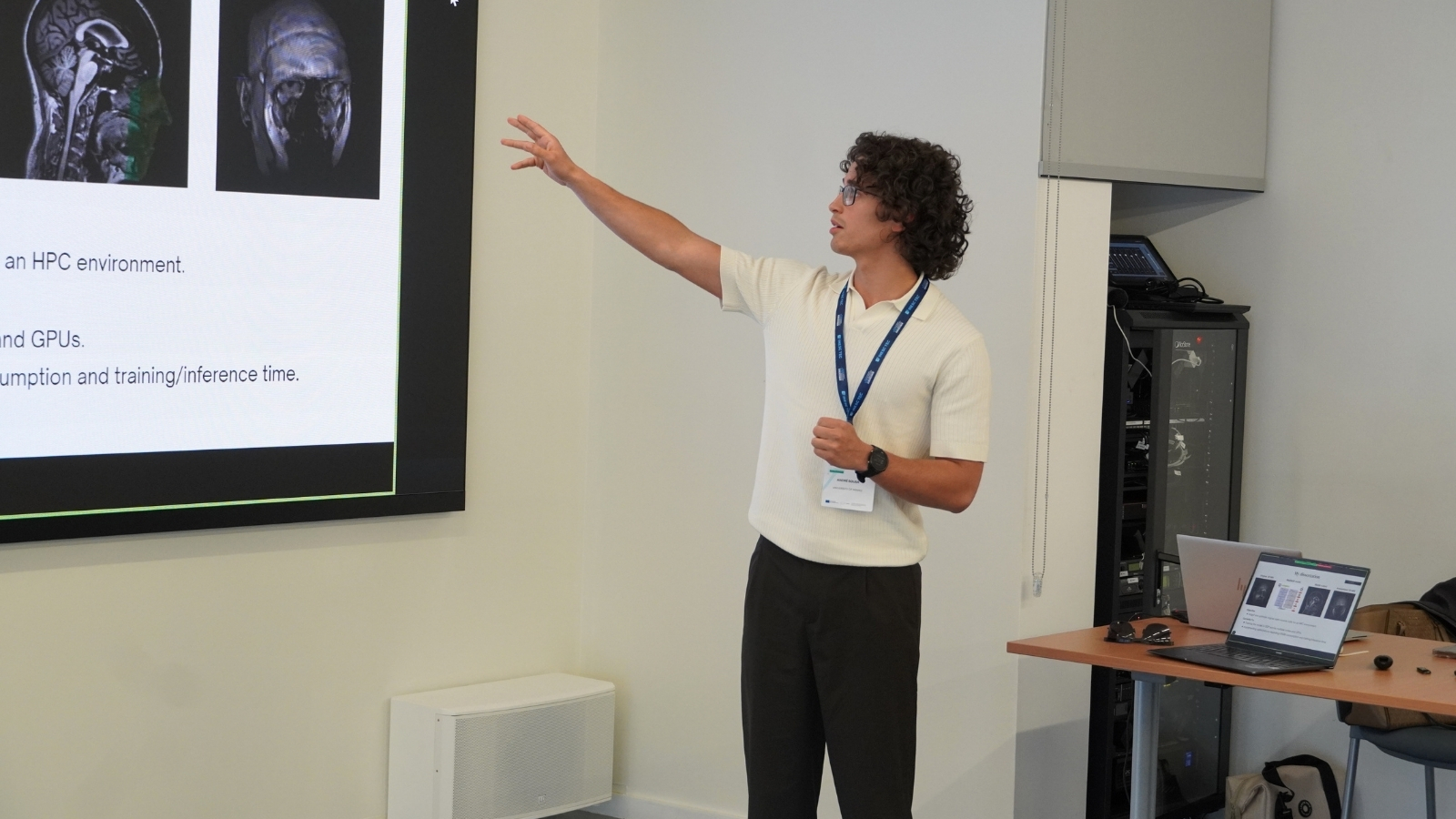
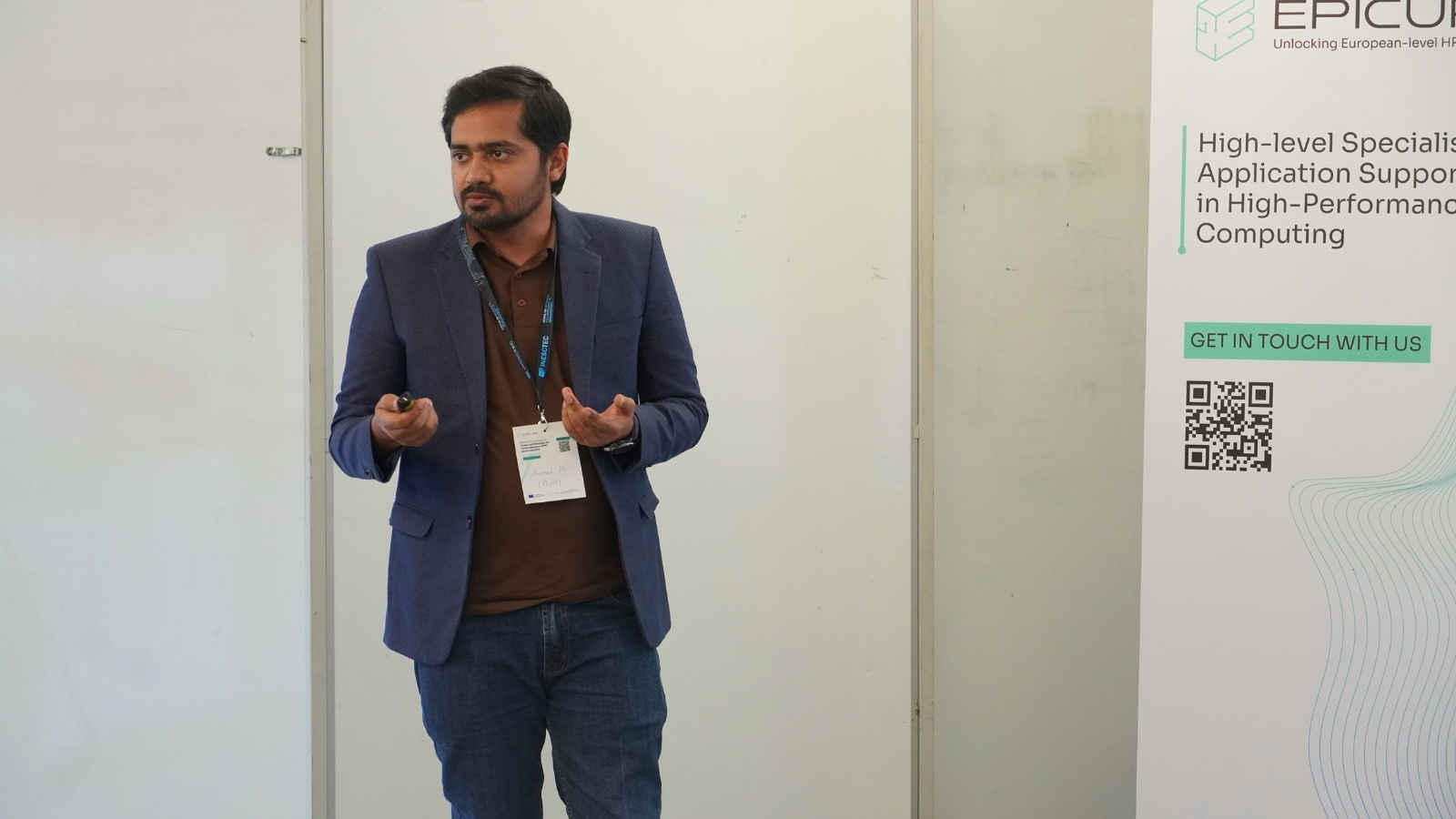
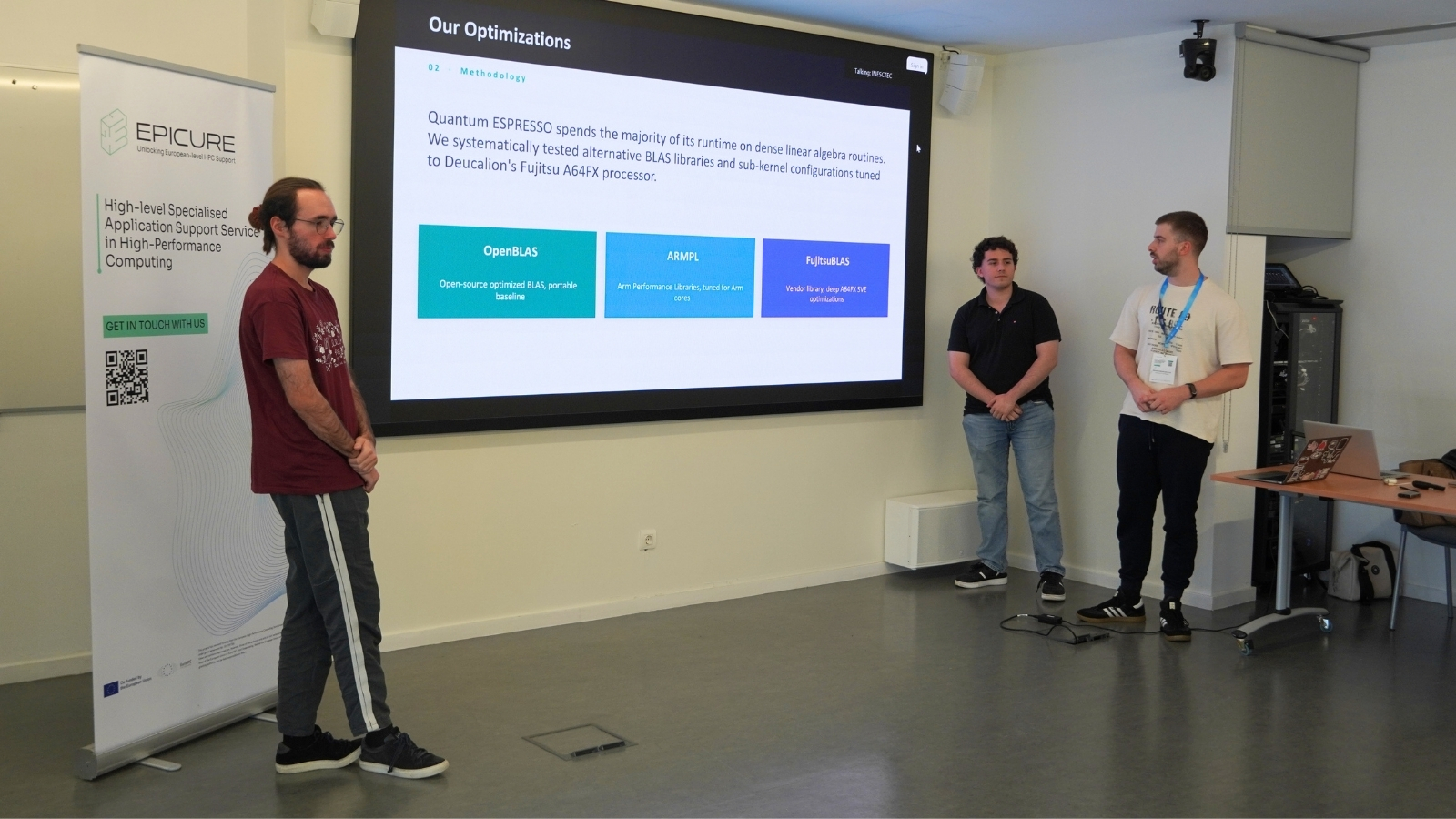
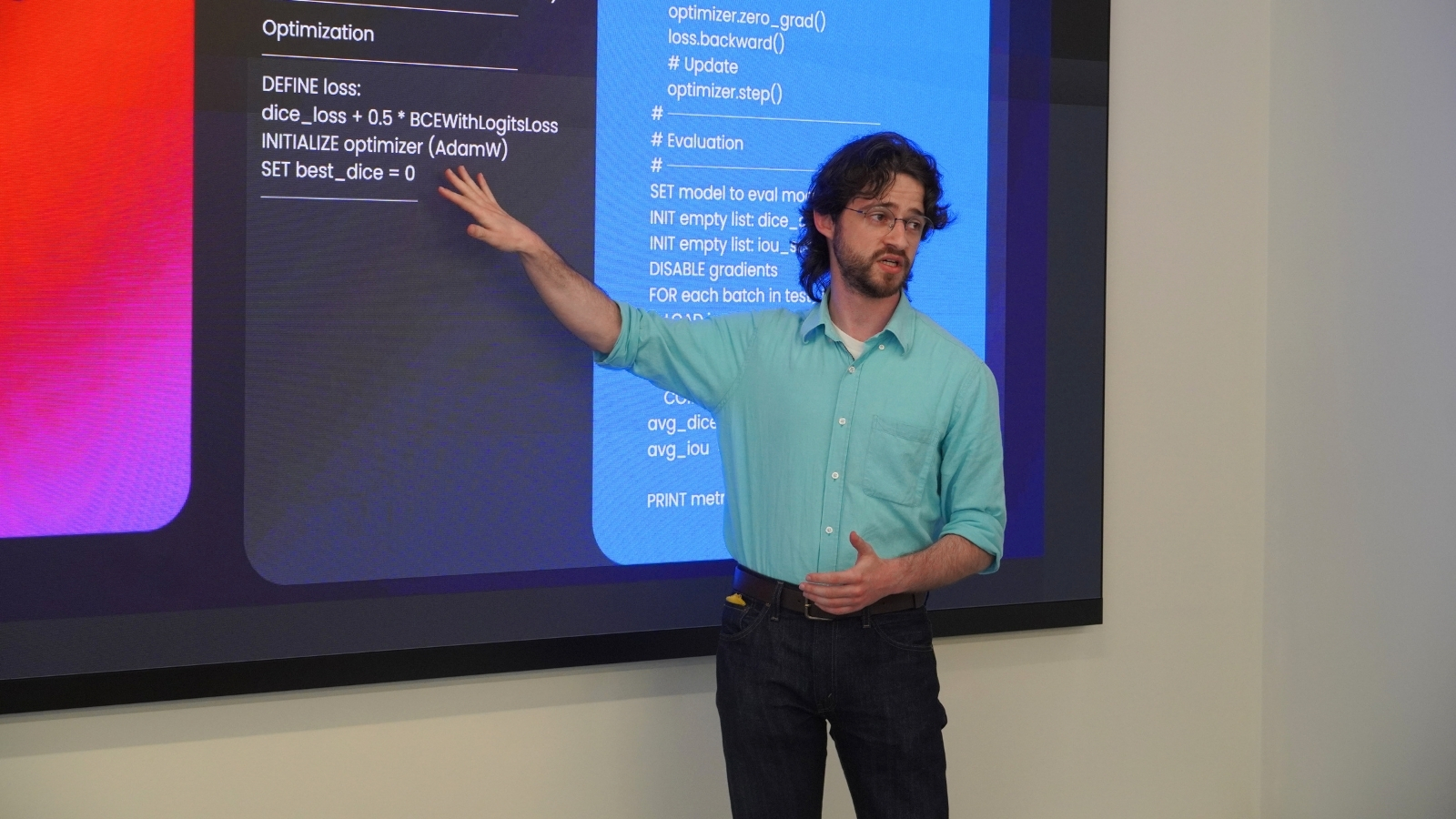
The final day concluded with project presentations, technical discussions and the announcement of the winning teams. Awards were granted based on innovation, technical achievement and performance, with the top teams receiving Deucalion compute hours to continue developing and scaling their work on EuroHPC infrastructure.
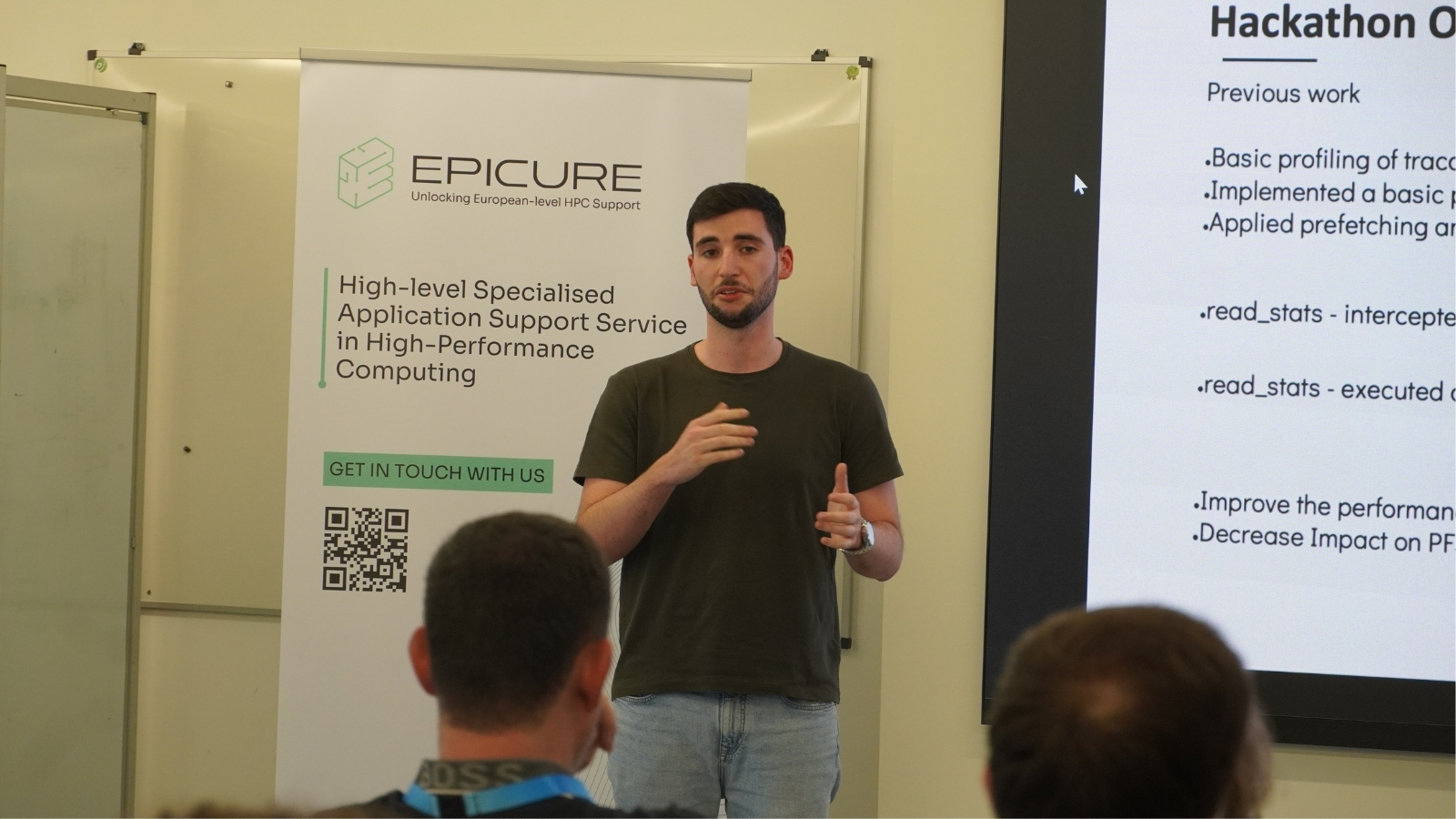
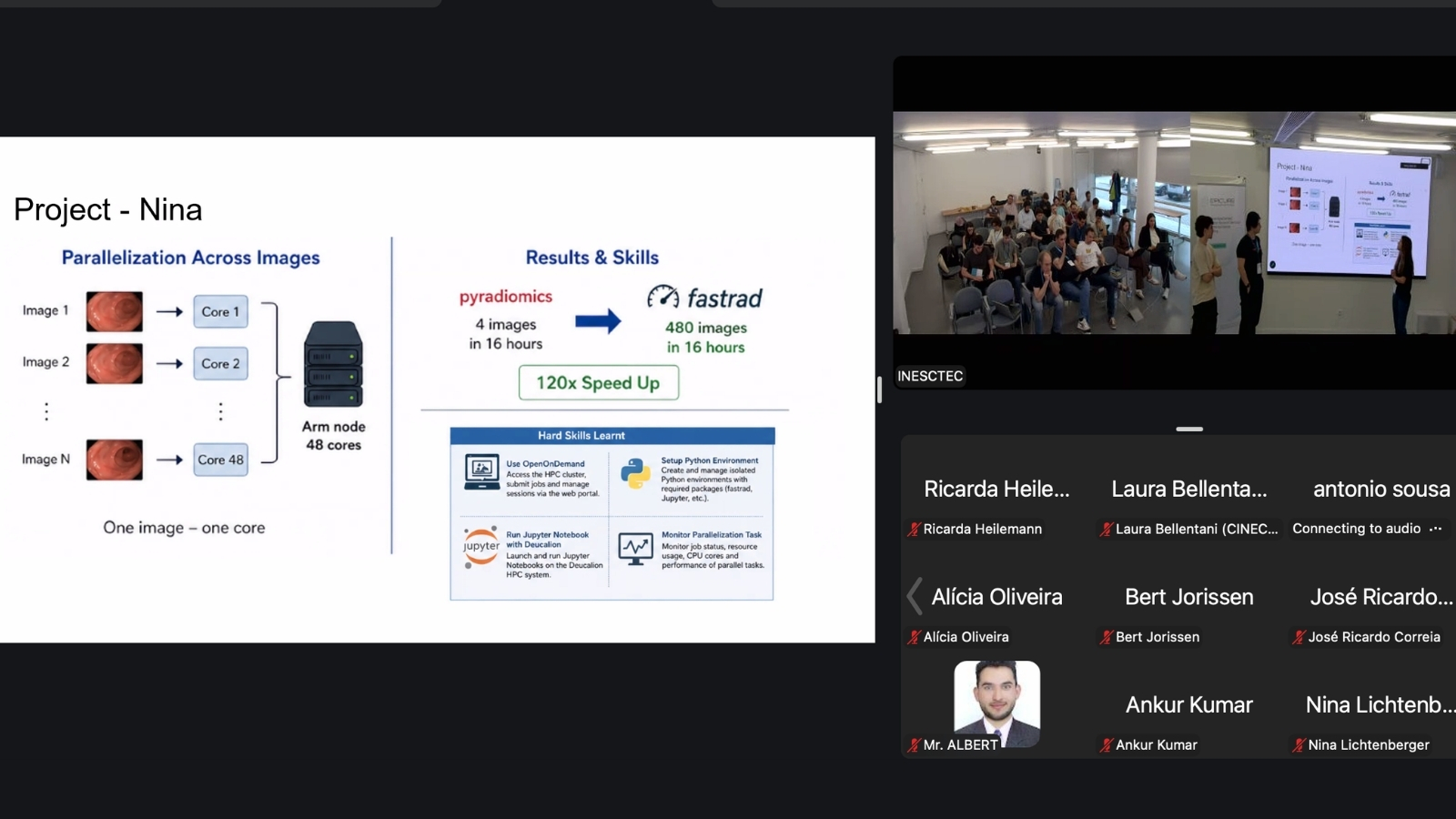
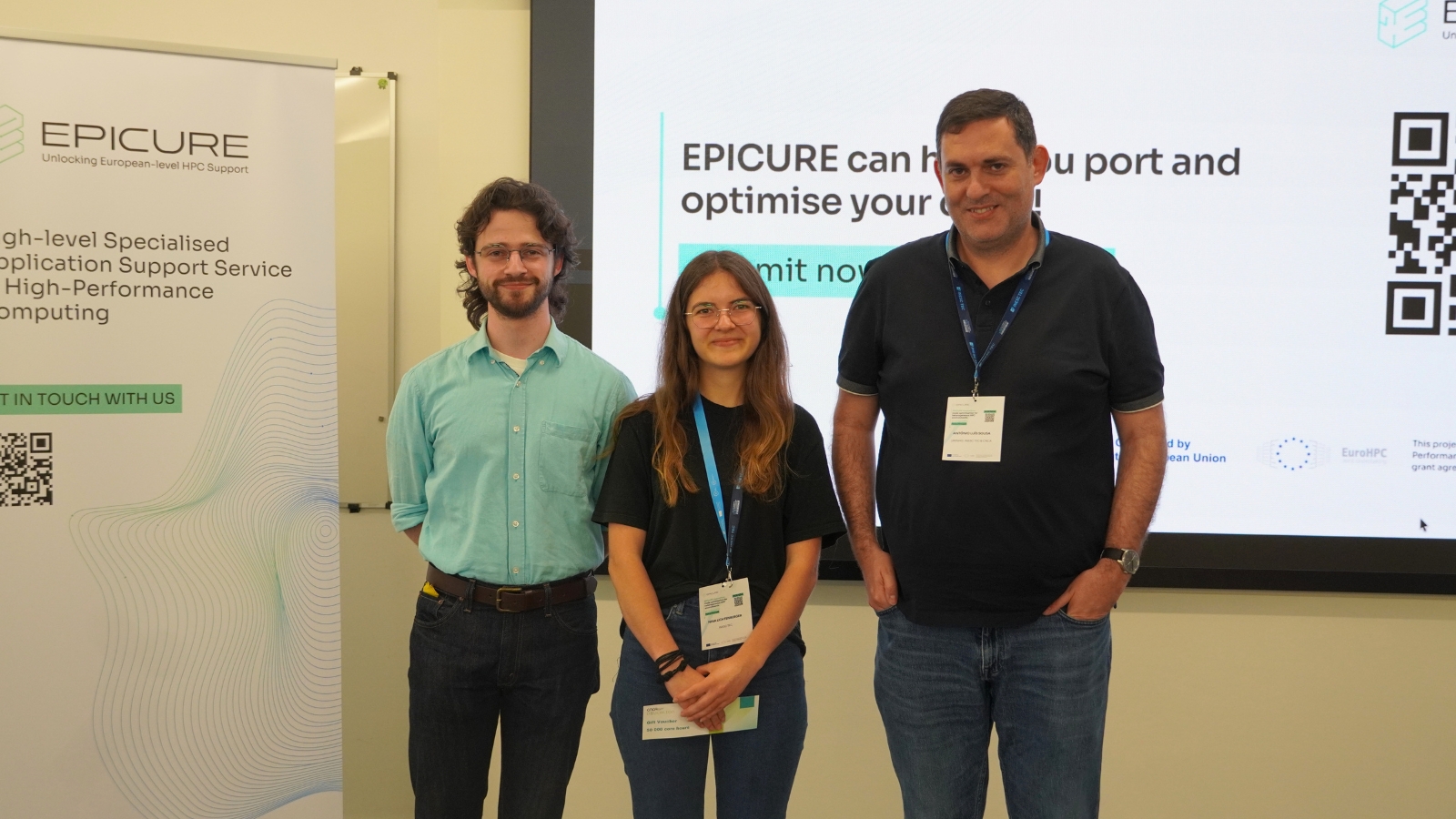
Luís Fernandes, from INESC TEC, won first place and received 100,000 Deucalion core-hours. Nina Lichtenberger, also from INESC TEC, received second place and 50,000 Deucalion core-hours. Francesco Pucci, Damien Mattei, Camille Touler, Filipp Sporykhin and Mohammed Bouziane, an online team, shared third place, receiving 25,000 Deucalion core-hours.
By combining practical optimisation work, mentoring and collaboration, the hackathon highlighted how hands-on support and access to advanced infrastructure can help researchers and developers accelerate real scientific and technical workloads.
-
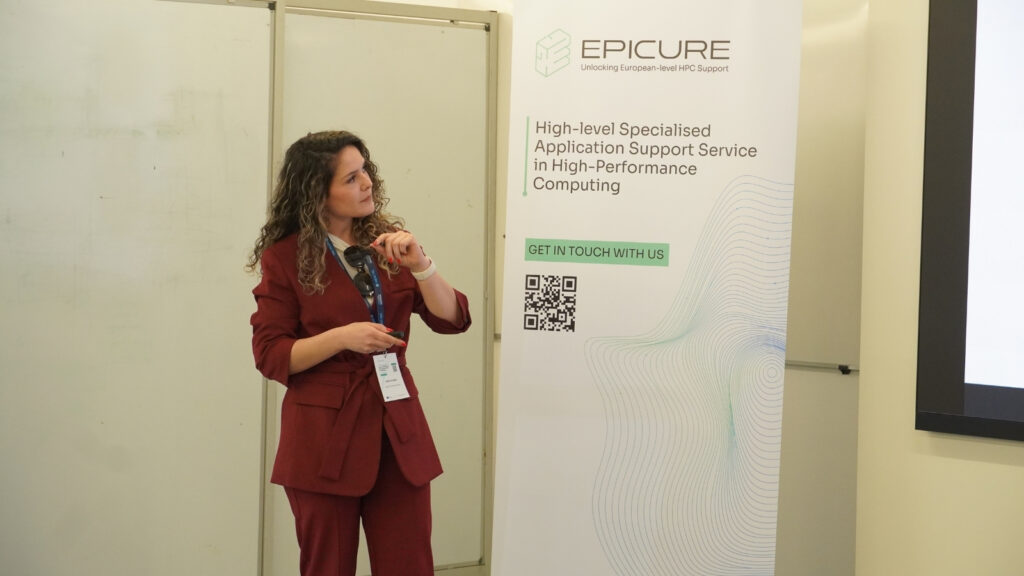
- Alícia Oliveira (INESC TEC/Deucalion)
-
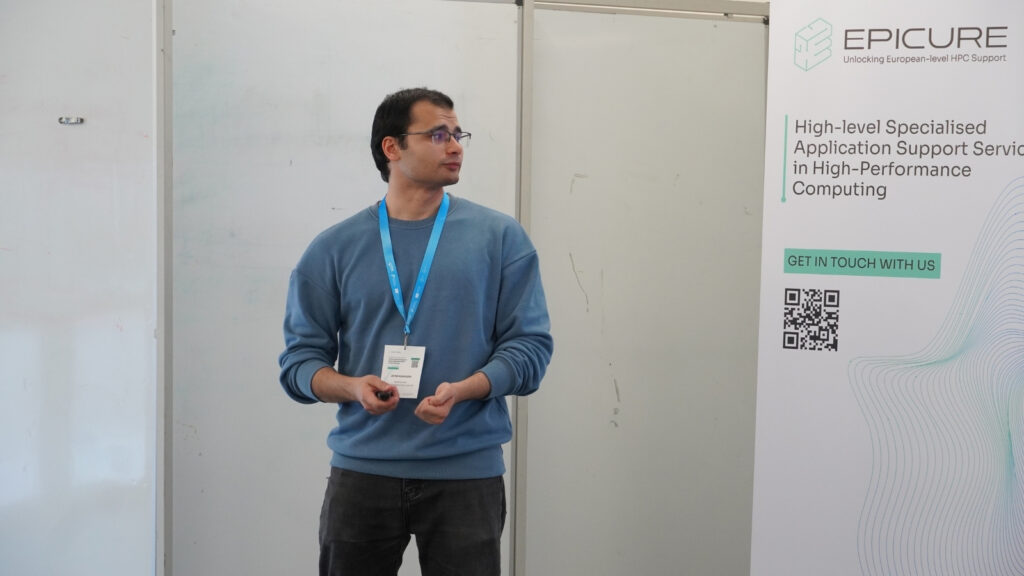
- Ziyad AlBanoby (BSC)
-
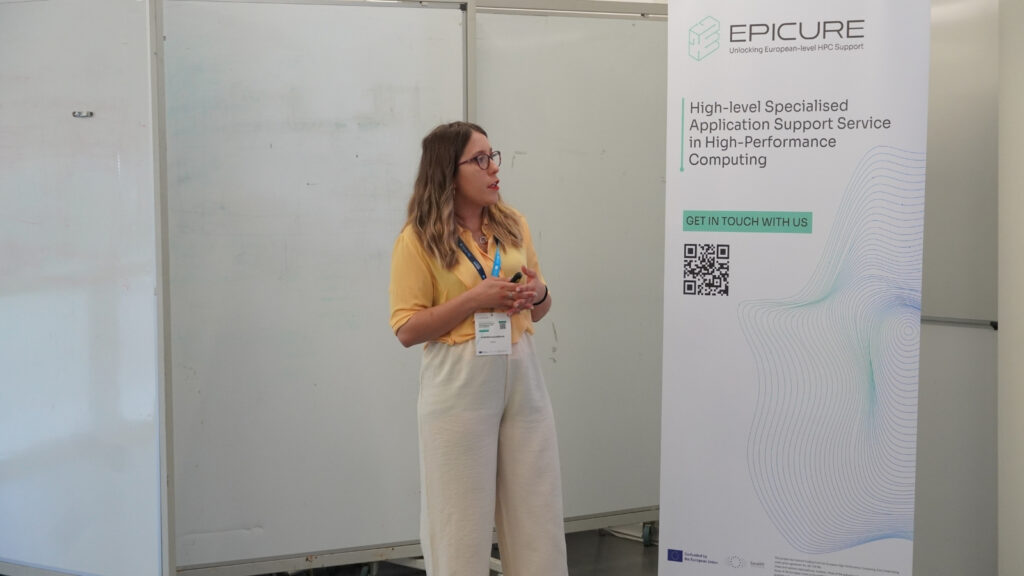
- Andreia Gaudêncio (CNCA)
-
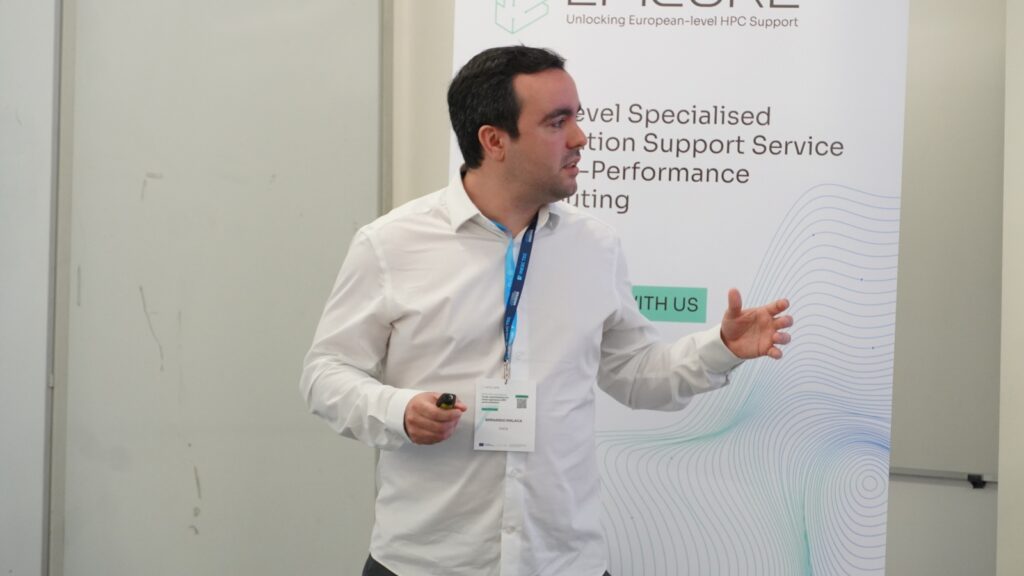
- Bernardo Malaca (CNCA/Deucalion)
-
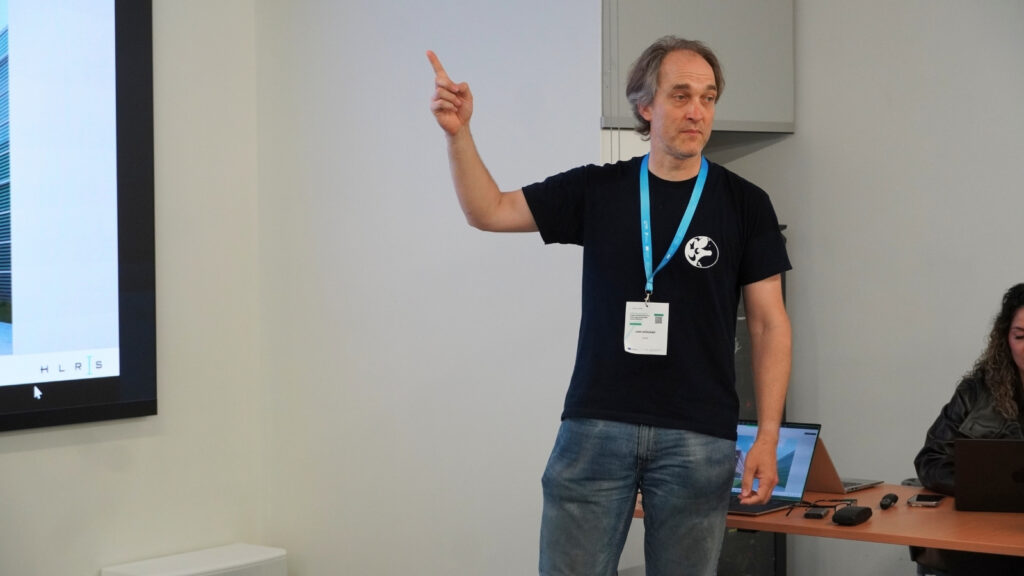
- Uwe Wössner (HLRS)
-
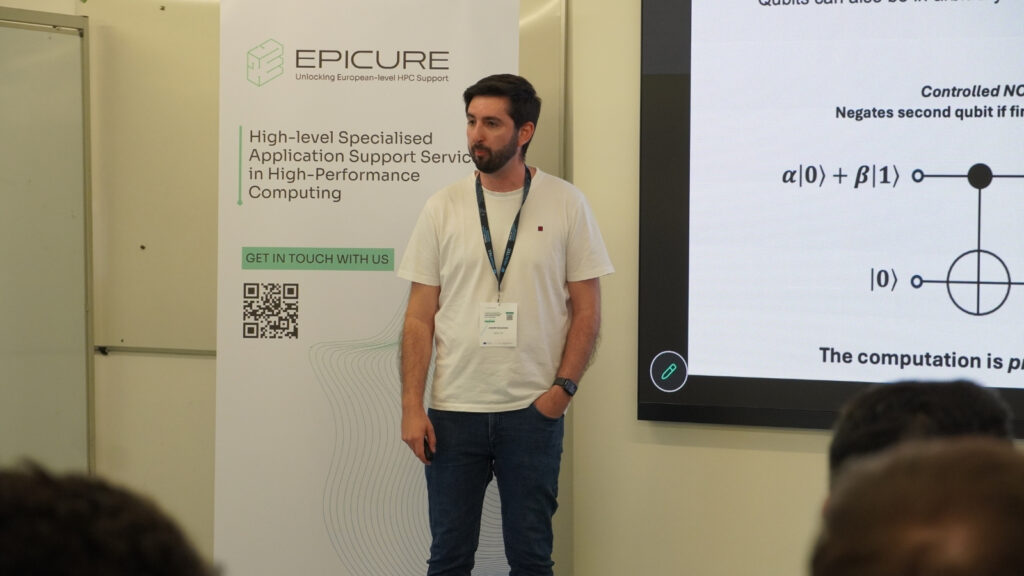
- André Sequeira (INESC TEC/University of Minho)