


02/03/2026
Blog
Advancing global coastal risk modelling through reproducible HPC workflows with EPICURE
By JRC E1 Coastal Floods team
SeaReport is a project that advances the European Commission JRC’s global metocean modelling system by integrating state-of-the-art hydrodynamic frameworks with EuroHPC resources. In the context of accelerating climate change, the project aims to deliver accurate, timely storm-surge predictions to protect coastal communities and support global disaster risk management.
Built around a reproducible and fully traceable modelling framework, SeaReport ensures that every simulation can be systematically reproduced, audited, and compared. This approach addresses a long-standing challenge in the modelling community, where complex global configurations are often difficult to reproduce or transfer across teams and infrastructures.
Through EuroHPC support, within the EPICURE project, SeaReport enhanced the scalability and computational efficiency of global baroclinic surge models, enabling higher spatial resolution, improved physics (including tide-surge interaction, self-attraction and loading, and 3D processes), and providing situational awareness on coastal-related risks.
The project also promotes open-source collaboration, fostering democratised access to advanced hydrodynamic modelling tools and supporting the scientific community in tackling urgent environmental challenges.
Scientific and technical challenges
SeaReport addresses a combination of scientific, computational, and methodological challenges. From a scientific perspective, resolving complex physical processes, such as tide-surge interaction, baroclinic effects, and wetting and drying processes, at a global scale requires integrating advanced 3D physics across a wide range of spatial scales.
Computationally, these simulations demand extreme scalability. Global 3D baroclinic models must efficiently run on thousands of CPU cores within strict walltime limits. Prior to EPICURE support, the SeaReport model encountered a major scalability bottleneck beyond approximately 1,024 MPI tasks, due to collective communication overhead. This limitation prevented the execution of production-like configurations, which typically require around 3,000 cores to deliver one month of results within 24 hours.
In parallel, SeaReport tackles a methodological challenge by adopting a reproducible and traceable modelling framework built around Python-driven orchestration. While time-consuming and demanding in terms of developmental effort, particularly for a small team, this approach strengthens scientific robustness and operational reliability.
EuroHPC resources and EPICURE support
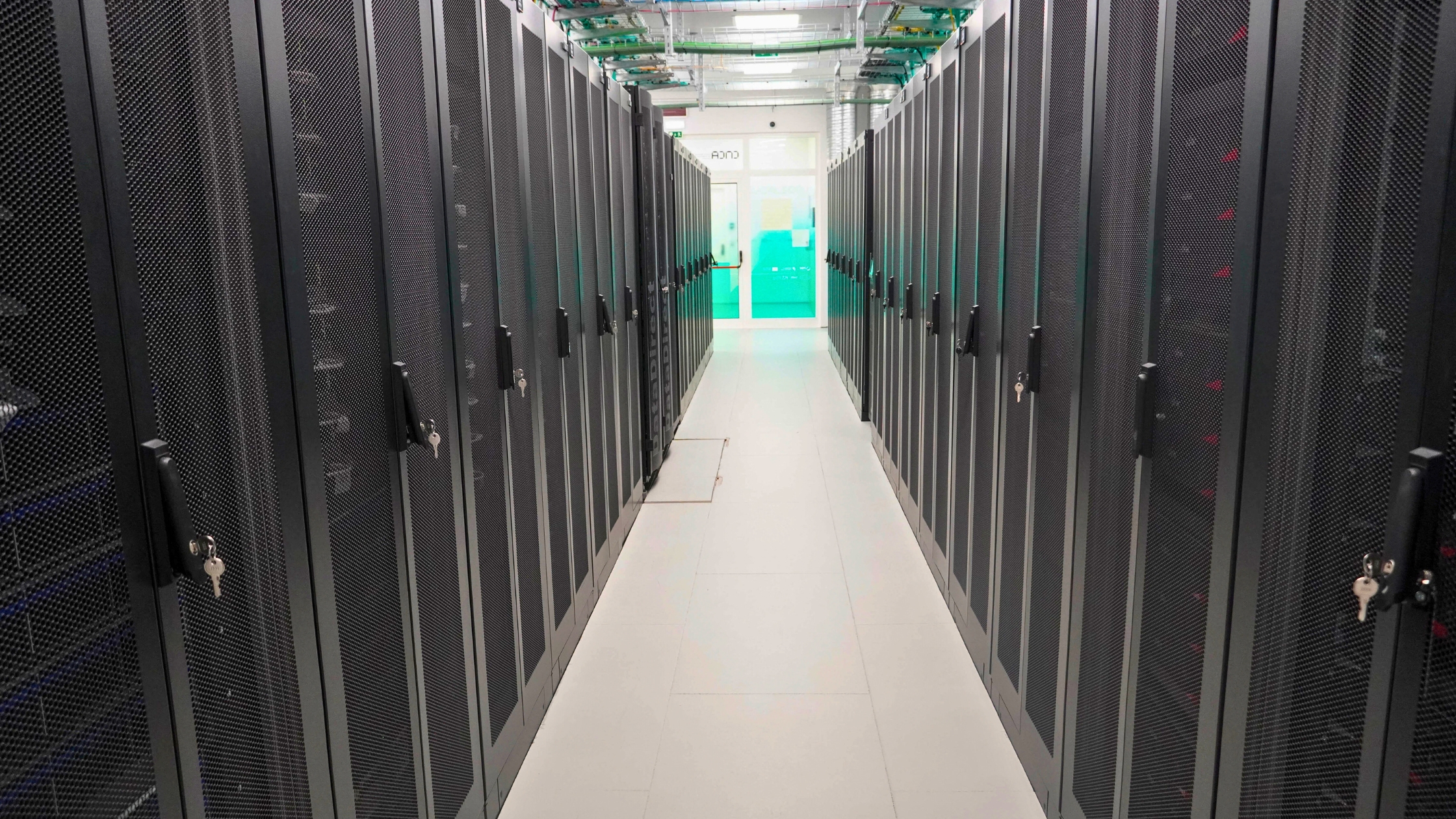
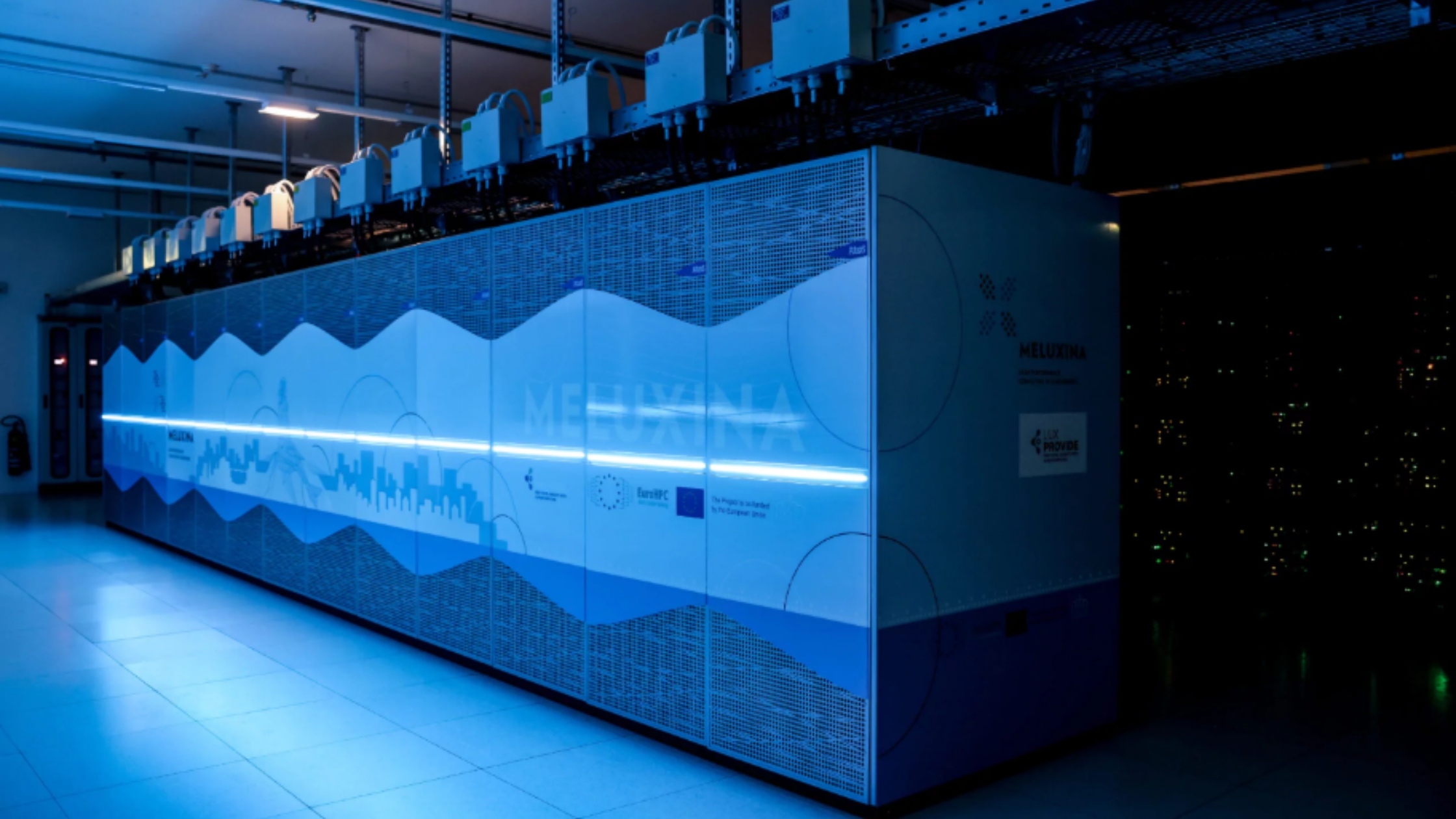
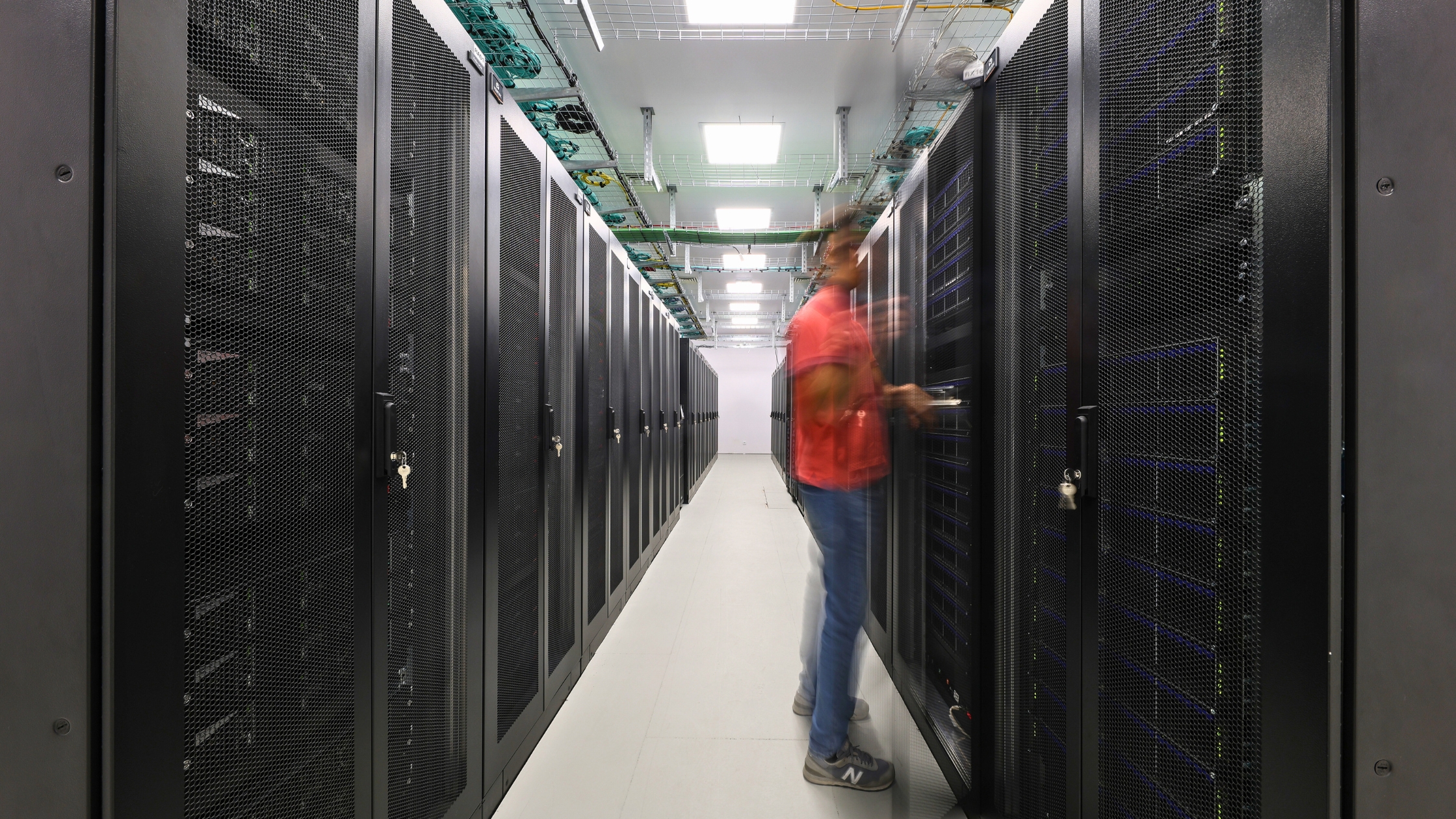
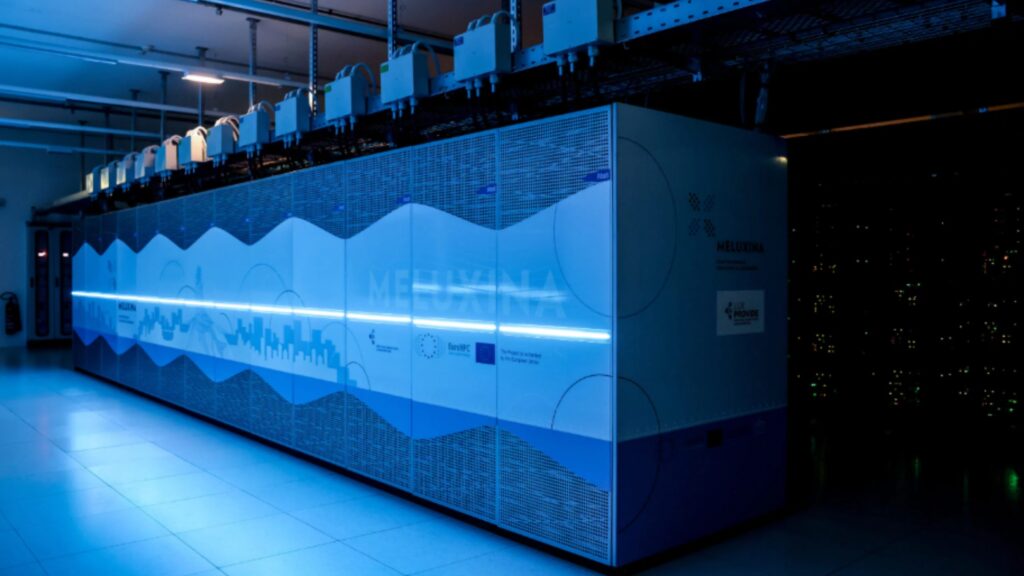
To overcome the critical scalability bottleneck in the global hydrodynamic simulations, the SeaReport team engaged with EPICURE experts. We were granted regular access to EuroHPC resources on MeluXina, with an allocation of 100,000 CPU node hours in early 2025, following initial access in 2024. The project also leveraged the MeluXina OpenStack platform to visualise large simulation outputs through a live dashboard, facilitating efficient handling and interpretation of large datasets.
Our limitation was critical: the nominal “production-like” configuration requires 3,000 cores and a 24-hour walltime to deliver one month of results. The support identified communication constraints within the MPI solver and optimised collective operations. By integrating NVIDIA’s HPC-X toolkit, the EPICURE team significantly improved the model’s parallel efficiency, enabling it to scale to several thousand MPI tasks efficiently, and removing the communication saturation previously observed.
Results and impact
Thanks to EPICURE’s support, SeaReport can now scale well beyond 1,024 cores, unlocking higher model complexity and enabling 3D baroclinic simulations at increased spatial resolution. Model runtimes have been substantially reduced, allowing larger ensemble simulations and improved forecast skill.
The optimisations also led to more efficient use of computational resources, lowering runtime and energy consumption. These upgrades open new opportunities for both operational and research-oriented global storm-surge predictions.
“EPICURE support was critical in removing a major scalability barrier in our global hydrodynamic simulations, allowing us to run production-level configurations efficiently on EuroHPC systems and focus on scientific questions rather than technical limitations”, explained Thomas Saillour.
Broader relevance and next steps
SeaReport’s reproducible modelling paradigm empowers researchers to focus on scientific questions rather than technical overhead and promotes best practices in coastal and ocean modelling. By strengthening the scientific foundations of coastal-related risks, the project supports disaster preparedness, early-warning systems, and evidence-based decision-making, ultimately contributing to protecting lives, infrastructure, and coastal ecosystems.
The next phase of the project will focus on scaling up modelling capacities through additional regular access (150,000 CPU core hours) on MeluXina and extreme-scale access (550,000 CPU core hours) on MareNostrum 5. These EuroHPC resources will allow more extensive sensitivity analyses, higher-resolution configurations, and model robustness.
Planned activities also include long-term hindcast simulations forced by ERA5 reanalysis, systematic evaluation of past extreme events, and the publication of global datasets to support coastal risk assessment studies. Further work will also continue to improve automation, reproducibility, and performance portability across heterogeneous HPC architectures.
To learn more about the project, visit the project page on the European HPC application support portal.
Additional references
T. Fernández-Montblanc; M.I. Vousdoukas; P. Ciavola; E. Voukouvalas; L Mentaschi; G. Breyiannis; L. Feyen; P. Salamon: Towards robust pan-European storm surge forecasting, Ocean Modelling 2019, https://doi.org/10.1016/j.ocemod.2018.12.001
Thomas Saillour, Peter Salamon, Evangelos Voukouvalas, Sébastien E. Bourban, Giovanni Cuomo: Support for global models and integration of TELEMAC in a Python-based ecosystem. In: Proceedings of the XXXth TELEMAC User Conference, Chambéry, 8–9 October 2024. https://hdl.handle.net/20.500.11970/114351
Thomas Saillour, Panagiotis Mavrogiorgos and Saeed Moghimi. Collaborative efforts in global surge prediction: NOAA’s STOFS2D and JRC’s Seareport models intercomparison, 4th International Workshop on Waves, Storm Surges and Coastal Hazards, Santander, 22nd of September 2025. http://www.waveworkshop.org/18thWaves/Presentations/CC1_ThomasSailor_1330_JRC_seareport-STOFS2D-intercomparison_wave_workshop_thomas_saillour_v7.pdf